
A surface that looks clear when sprayed may show a new layer of marks once it dries. Dissolved substances in the water, existing contamination and the rinsing process together determine the final appearance. For photovoltaic and curtain wall cleaning, water is a process material that needs to be managed.
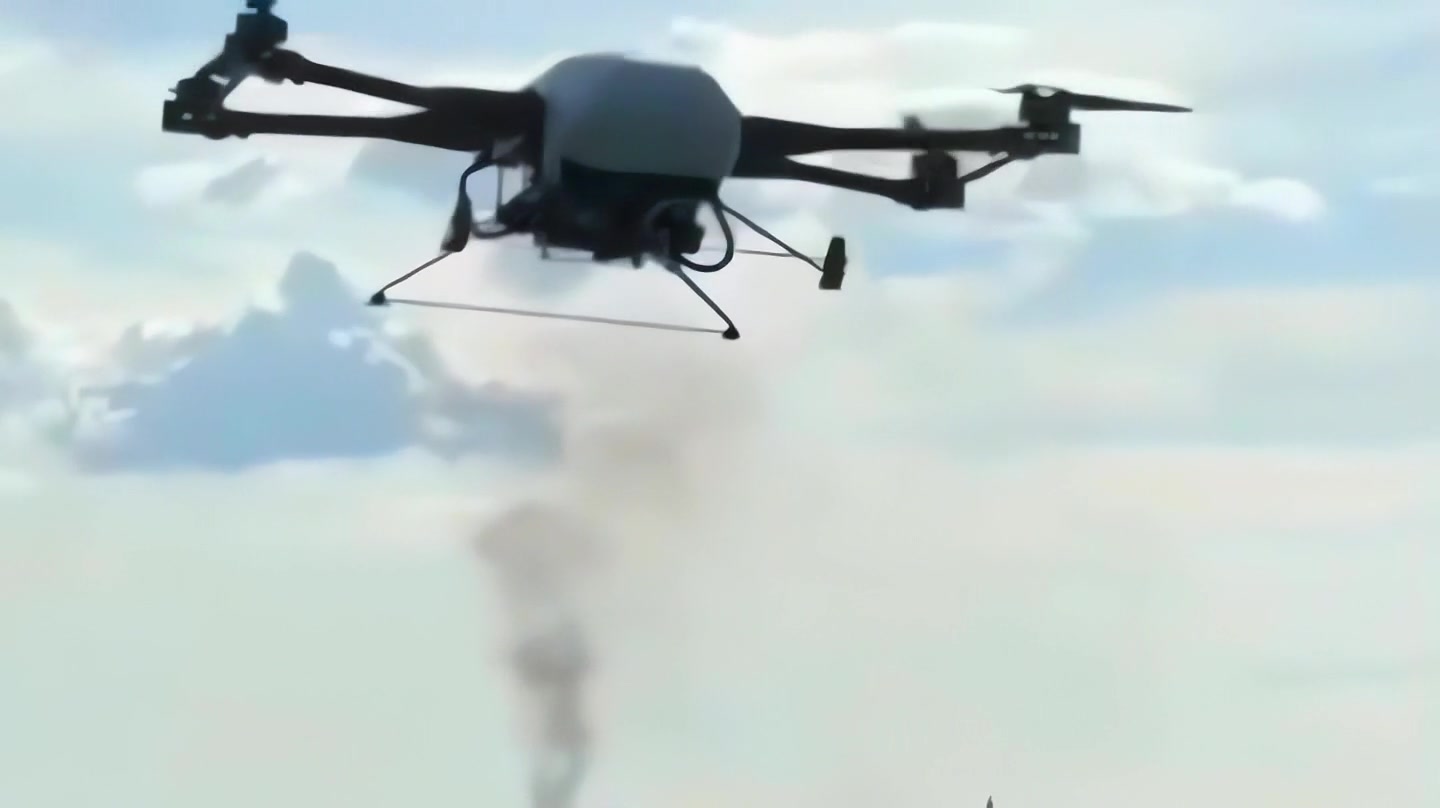
The drying process reveals residues
Dissolved salts in water and cleaning agent residues may form marks after evaporation. Visually clean while wet does not mean there is no residue after drying; increasing spray volume does not necessarily solve water quality problems.
When water evaporates, the substances left on the surface change the observed result. Increasing spray volume may bring more residue and may not improve the situation. Water treatment methods should match material requirements and the on-site water source, and sample test cleaning helps the team see the final effect before large-area work.
Test cleaning acceptance should include observation after drying, and record the water source, water treatment and rinsing method. Taking photos only while the water film is still present can easily overestimate cleaning effectiveness.
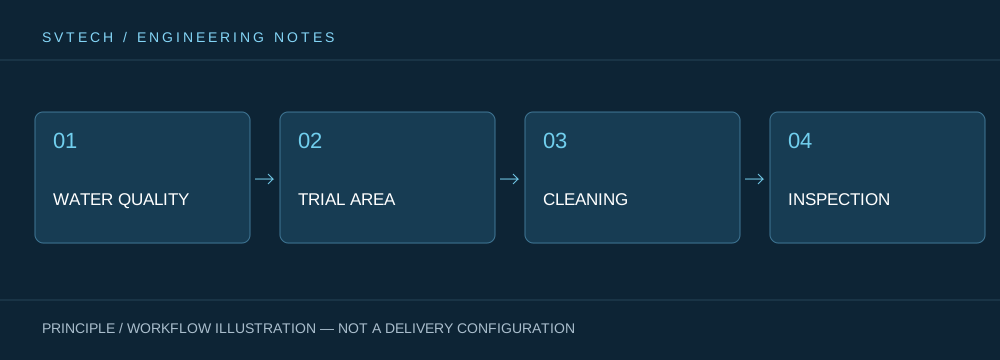
Technical Principles and Engineering Boundaries
Drone cleaning puts flight, water supply, spraying and surface material maintenance into the same process. When discussing "Water Marks on Glass: Why Cleaning Results Depend on the Water Itself", the changes in water flow between the pump station, piping, nozzles and the surface being cleaned, together with the flight platform's attitude, wind conditions and path coverage, jointly determine the result. For photovoltaic modules and building facades, cleaning effectiveness should not be judged only by the appearance immediately after spraying, but also by the surface state after drying, material requirements and reviewable quality records.
Application Scenarios and Implementation Paths
PV cleaning drones are best discussed together with plant zoning, soiling trends, water supply conditions and O&M windows; facade cleaning drones, meanwhile, require an understanding of building form, drainage, surrounding access and property coordination. Automated equipment can change how work at height is organized, but it cannot replace on-site process judgment. Verifying paths, spraying and acceptance methods in a representative area first, then expanding to a larger area, often helps form a stable intelligent cleaning solution.
Project Validation and Continuous Optimization
To make this technical discussion about "Water Marks on Glass: Why Cleaning Results Depend on the Water Itself" applicable to real projects, the verification stage should record the configuration version, environmental conditions, measurement locations and task results at the same time. Confirm water quality indicators according to module or curtain wall manufacturer requirements; check the status and records of treatment equipment; verify first on a representative surface, and do not judge suitability by water that merely "looks clear". This information is not supplementary documentation, but a shared basis for explaining results, reproducing performance and continuous optimization.
Related Support from SVTECH
SVTECH provides product materials, project requirement communication and configuration boundary checks for drone cleaning and related industry applications. For topics such as "Water Marks on Glass: Why Cleaning Results Depend on the Water Itself", you can describe the task conditions, target outcomes, site environment and existing equipment together, and Mr. Liu (+86 18688194199, lhc1983@gmail.com) will assist with coordination; specific models, performance and delivery scope are subject to confirmed materials and project verification.
Water marks may be related to dissolved salts, residual contamination and the drying process, and should be confirmed in combination with water quality and material requirements. The same water source can be used on a representative sample panel to observe the effect after drying, and then decide whether water treatment is needed. Looking transparent immediately after spraying does not mean the contractually agreed surface quality can be achieved after drying.
True cleaning should withstand observation after drying. Incorporating water quality into process design can reduce rework and make delivery quality more stable.

