SV-M30 Solar-panel cleaning drone
INDUSTRIAL DRONES

SV-M30Solar-panel cleaning drone

SV-M30 is designed for large solar farms, commercial rooftops and difficult terrain. A 30 kg-class rated payload works with autonomous routes and cleaning equipment to cover approximately 900-1000 m² in 15 minutes under reference conditions. Actual output varies with panel layout, soiling, wind and water supply.

Reference cleaning rate
Approx. 900-1000 m² / 15 min under reference conditions
Motor-to-motor diagonal
2050 mm
Unfolded dimensions
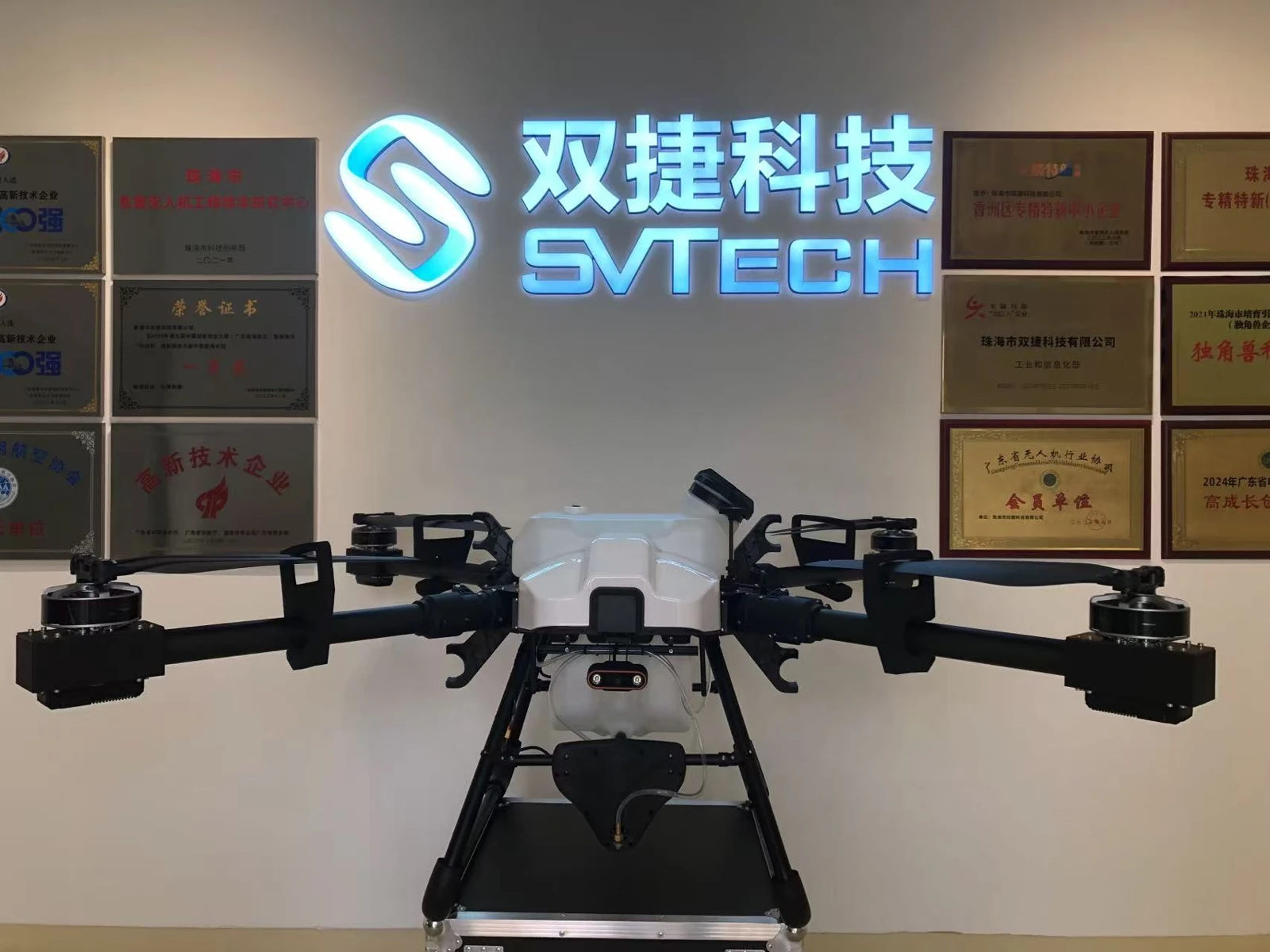
1570 × 1570 × 715 mm

Operation video

This edited demonstration illustrates the cleaning method and equipment arrangement. A verified filming date, customer identity and complete operating records are not supplied; the clip does not establish cleaning productivity or project acceptance.

Overview

SV-M30 Solar-panel cleaning drone

Solar-cleaning productivity depends on flight, water supply and site organization together. The reference figure of approximately 900-1000 m² in 15 minutes is not a full-day production rate: relocation, refilling, obstacles and soiling all affect progress. A representative trial area helps establish workable coverage and acceptance criteria.

Final configuration depends on operating conditions and the agreed specification.

Key benefits

Key benefits

01

30 kg-class payload and autonomous routes for solar farms, rooftops and difficult terrain

02

Approx. 900-1000 m² / 15 min under reference conditions

03

Match cleaning equipment to water supply, pressure and soiling

04

Deployment, training and technical support

SV-M30

Selection and application guide

Design and application value

A cleaning solution combines aircraft, cleaning payload, water supply, mission planning and site organization. Suitable paths and spray coverage can reduce repeated passes, but results depend on soiling, surface material, water quality and settings. Define the cleaning objective before matching equipment and process.

Choosing the right configuration

Survey array or façade dimensions, materials, joints and obstacles; confirm power, water and exclusion areas. Check permitted cleaning methods for PV modules. For façades, assess nozzle reaction, hose mass and corners. Validate reference productivity on a representative trial area.

Installation and integration

Begin with a low-risk trial area and verify water delivery, hover stability, standoff and coverage before adjusting path and speed. Settings must suit the surface or module manufacturer’s requirements. Define withdrawal routes and ground-team roles for water loss, power loss or changing wind.

Operation and maintenance

Record before-and-after images, residual soil and surface condition for acceptance. Track flight, refilling, relocation and setup separately. After work, flush filters and nozzles, inspect hoses and electrical connections, and dry as required. Evaluate productivity using total working time, not spray time alone.

Specifications

Specifications

Final configuration depends on operating conditions and the agreed specification.

ModelSV-M30
CategoryIndustrial drones
Reference cleaning rateApprox. 900-1000 m² / 15 min under reference conditions
Motor-to-motor diagonal2050 mm
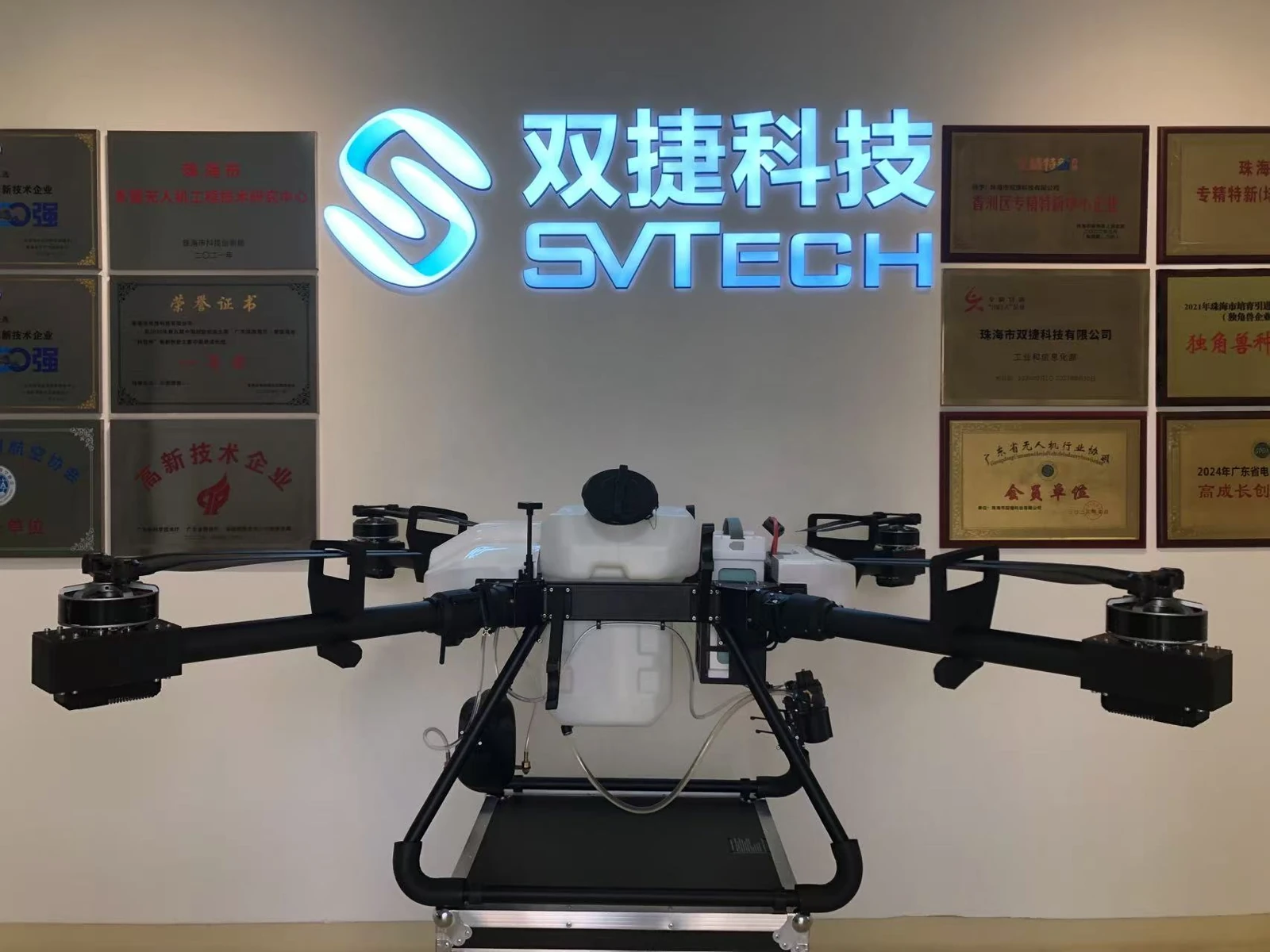
Unfolded dimensions1570 × 1570 × 715 mm
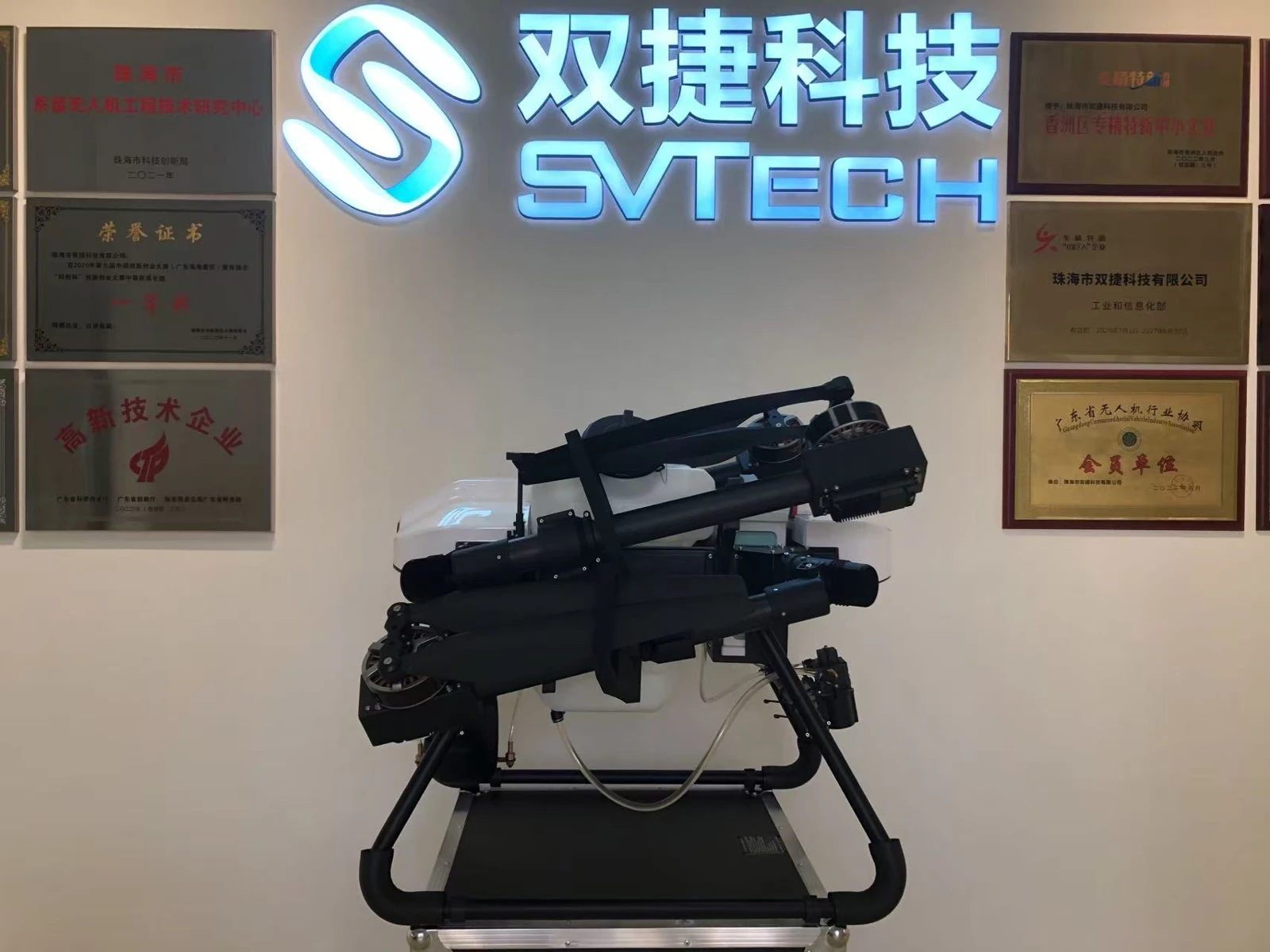
Folded dimensions845 × 860 × 775 mm
Airframe mass36 kg
Propulsion configuration4 motors; maximum output per motor 7900 W
Rated payload30 kg
Propeller43 × 13.5 in; carbon-fibre composite
Route speed0.5-25 m/s
Operating heightAdjustable 1-1000 m; actual limits depend on local regulations and conditions
Flight and route functionsAltitude hold, position hold, autonomous routes and return-to-home; waypoints, obstacle zones and route correction
Downloads

Downloads

Documentation covers dimensions, performance data and operating requirements. Contact Mr. Liu for selection advice or after-sales support.

Find the right equipment and propulsion for your project

Final configuration depends on operating conditions and the agreed specification.

Get selection advice

SV TECH / PRODUCT ENGINEERING

Operation documents, product photographs and engineering

Existing selection guides are retained; complete operating chapters are added. Chinese and English controller procedures differ; use the procedure confirmed for the fitted controller.

Matching mission equipment to the flight platform

Cleaning, communications, lighting and observation have different payload, power and control requirements. Describe integration through interfaces and a complete mission budget, rather than combining independent maximum figures.

Solar-panel cleaning: panels, routes and water supply

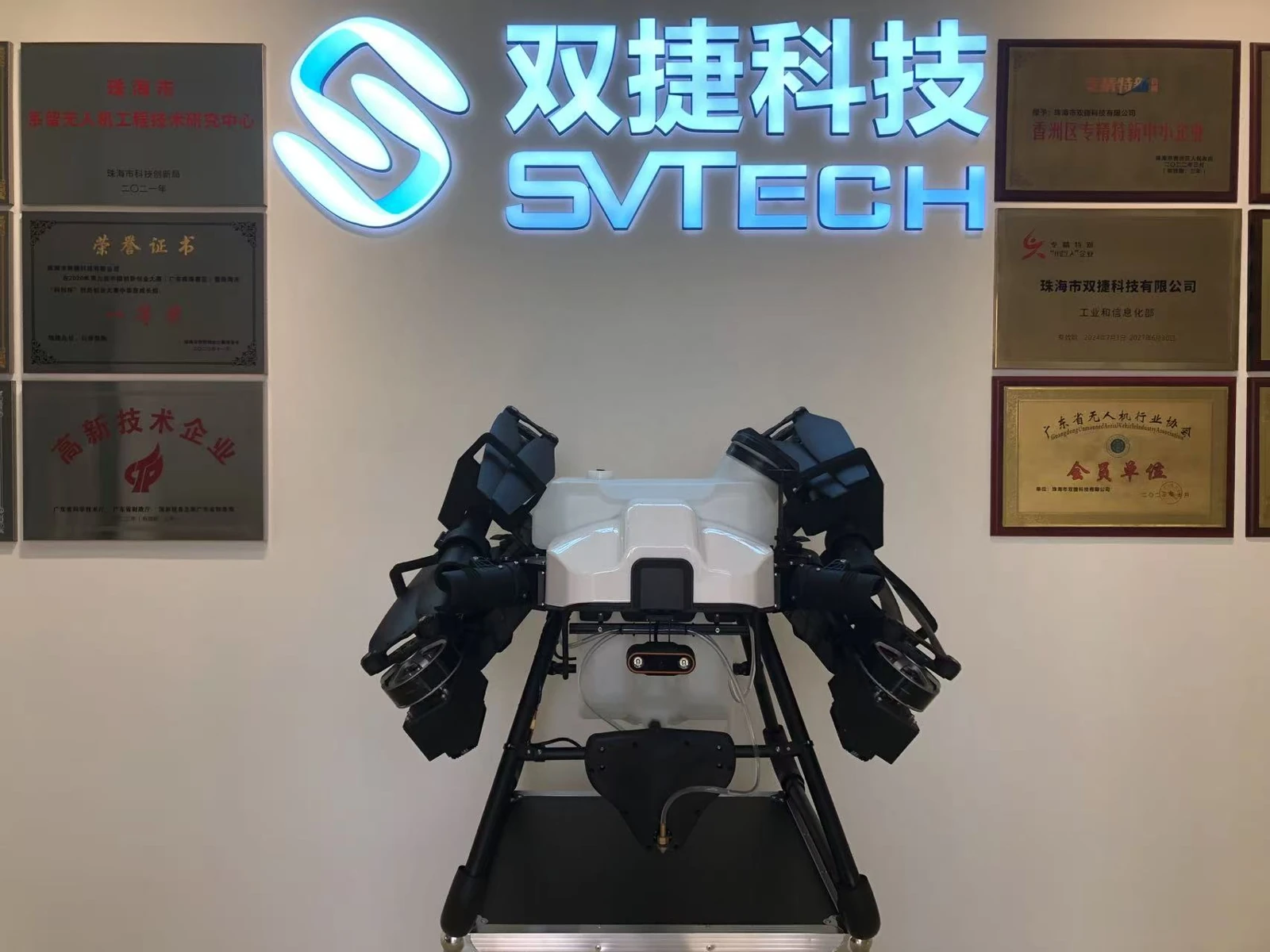
Plan SV-M30 solar-cleaning work around the panel manufacturer’s permitted process, array layout and water logistics. The supplied photos add folded/unfolded airframe views; the operating documents support configuration review.

Documents and engineering resources ↗ · All recognition and source images ↗