
Special-purpose robots extend people out of high-risk, hard-to-reach or repetitive work positions. The Two Values of Thermal Imaging: From Spotting Heat Sources to Reliable Temperature Measurement — starting from this point, technology choices come closer to the outcomes users actually care about.
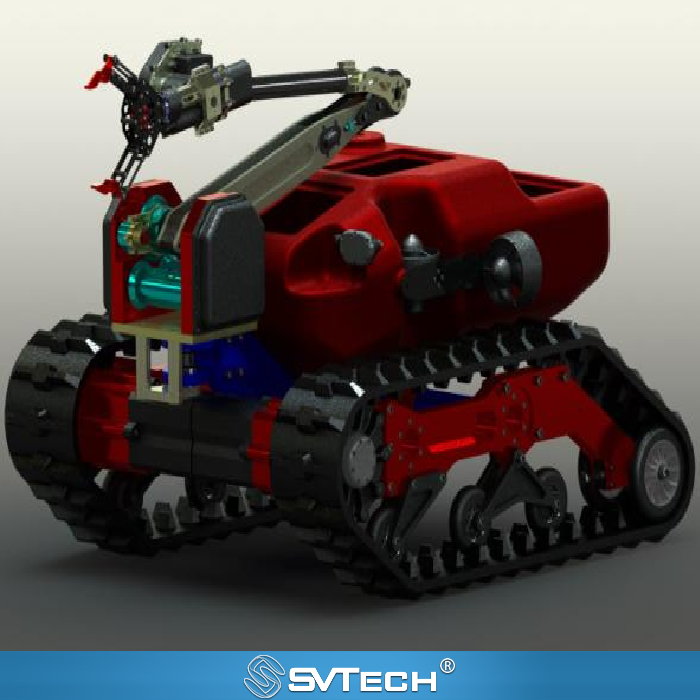
The Two Values of Thermal Imaging: From Spotting Heat Sources to Reliable Temperature Measurement
Some devices are used to detect temperature differences, while others provide temperature measurement capability under specified conditions; the two serve different purposes. Surface emissivity, reflection and distance affect readings, and a color image does not equal an accurate temperature.
Genuinely usable robot capability comes from the coordination of mechanics, perception, control and on-site personnel. Understanding where the boundaries lie helps bring new technology from demonstration into everyday work. Check payload specifications and task purpose, have professionals define the method, retain raw data and parameters, and record observations, temperature results and fault judgments separately.
When an abnormal hot spot is seen during inspection, it should be analyzed together with the object and the environment; a conclusion must not be drawn from color alone. If quantified temperatures are required, the calibration and measurement procedure must be clearly defined.
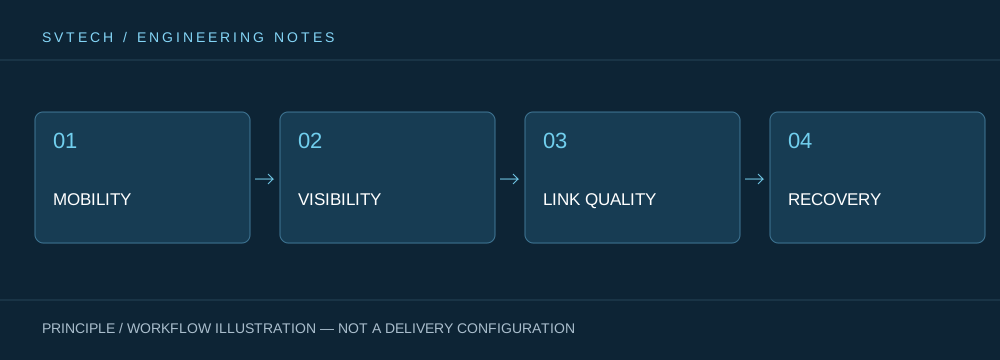
Technical Principles and Engineering Boundaries
Special-purpose robots bring the mobile chassis, actuators, sensors, communications and human-machine interface into one on-site system. The Two Values of Thermal Imaging: From Spotting Heat Sources to Reliable Temperature Measurement reminds us that product specifications must be understood in conjunction with ground conditions, payload status, operator position and mission duration. Speed, gradeability, endurance or ingress protection are not absolute conclusions detached from the environment; a robot's capability boundary has engineering meaning only under specified routes, obstacles, temperatures and control methods.
Application Scenarios and Implementation Path
Firefighting, hazardous-environment inspection, industrial inspection and emergency rescue are the application areas where special-purpose robots deliver the most value. Their common goal is to extend personnel perception and operating range and, under suitable conditions, to reduce direct exposure risk. Before deployment, the task area, communication conditions, entry and recovery paths, personnel responsibilities and information handover should all be designed together, so that robot intelligence truly serves on-site decisions rather than merely demonstrating individual actions.
Project Validation and Continuous Improvement
To ground this technical discussion of The Two Values of Thermal Imaging: From Spotting Heat Sources to Reliable Temperature Measurement in real projects, the validation phase should record configuration version, environmental conditions, measurement positions and task results together. Check payload specifications and task purpose, have professionals define the method, retain raw data and parameters, and record observations, temperature results and fault judgments separately. This information is not supplementary documentation but the shared basis for interpreting results, reproducing performance and driving continuous improvement.
Related Support from SV Tech
Zhuhai SV Tech Co. Ltd. provides product documentation, project requirement discussions and configuration boundary checks for special-purpose robots and related industry applications. For topics such as The Two Values of Thermal Imaging: From Spotting Heat Sources to Reliable Temperature Measurement, describe the task conditions, target outcomes, on-site environment and existing equipment together; Mr. Liu (+86 18688194199, lhc1983@gmail.com) can help with coordination. Specific models, performance and delivery scope are subject to confirmed documentation and project validation.
If a task only requires finding relative anomalies, it can be selected separately from precise temperature measurement tasks; if the customer needs a temperature report, the measurement uncertainty, target surface conditions and data retention method should be confirmed. Distinguishing purposes up front helps avoid extra cost without obtaining usable measurement results.
When facts, conditions and objectives are clearly recorded, technology choices can withstand later review.
