
Specialized robots extend people out of high-risk, hard-to-reach or repetitive work positions. How obstacle-crossing capability should really be understood: from a single height to an entire route—it appears to belong to a single component, but in practice it affects the rhythm and quality of the entire service process.
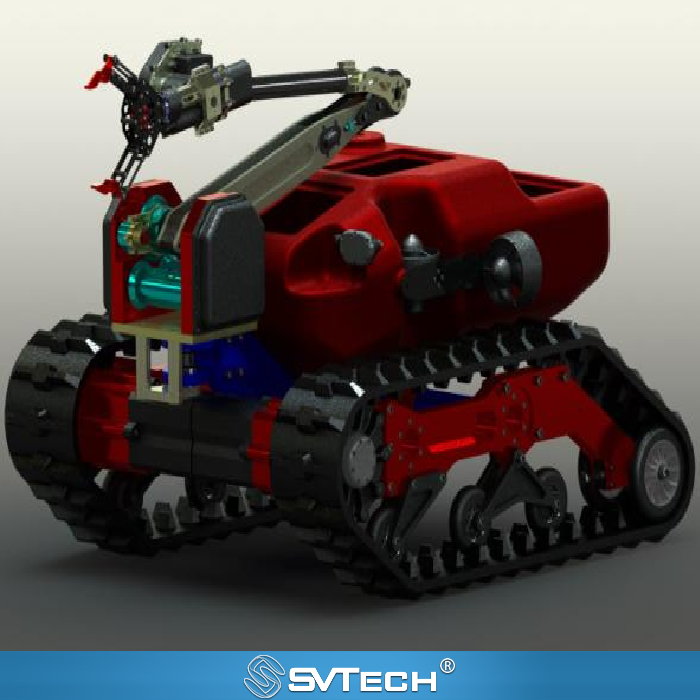
How obstacle-crossing capability should really be understood: from a single height to an entire route
Step shape, edges, surface, approach direction and load all affect obstacle crossing. An isolated height value lacks context and is difficult to compare fairly with other platforms.
Truly usable robot capability comes from coordination among mechanics, perception, control and on-site personnel. It reminds engineering teams to understand the phenomenon first, then discuss configuration and solutions. Standardize test obstacles and task actions, and record configurations and repeated results; select tests based on on-site representativeness; do not directly apply the highest obstacle from a demonstration to all routes.
Crossing a single protrusion differs from continuous stairs, and a successful crossing may also come with load impact. Whether cameras and mounting hardware still function normally should be included in the inspection.
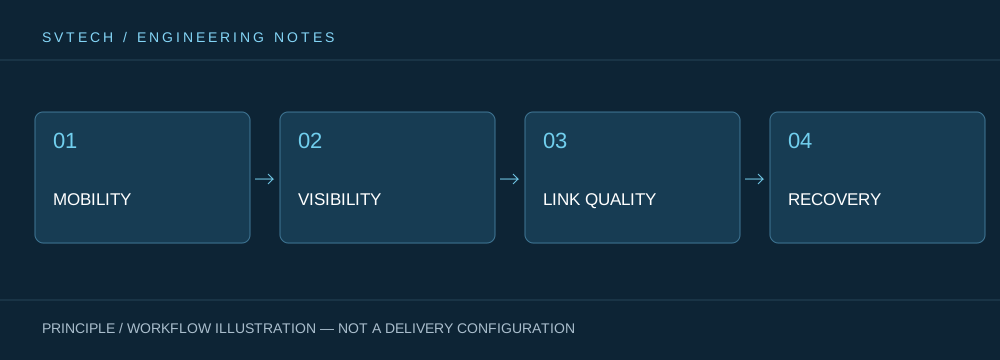
Technical Principles and Engineering Boundaries
Specialized robots bring the mobile chassis, actuator, sensors, communications and human-machine interface into a single on-site system. "How obstacle-crossing capability should really be understood: from a single height to an entire route" reminds us that product parameters need to be understood in combination with ground conditions, load state, operator position and task time. Speed, climbing, endurance or ingress protection rating are not absolute conclusions divorced from the environment; only under a specified route, obstacle, temperature and control method do a robot's capability boundaries take on engineering significance.
Application Scenarios and Implementation Paths
Firefighting, hazardous environment inspection, industrial inspection and emergency rescue are the most valuable application directions for special robots. Their common goal is to extend personnel perception and operating range, and under suitable conditions reduce the risk of direct approach. Before deployment, the task area, communication conditions, entry and recovery paths, personnel responsibilities and information handover should all be designed together, so that robot intelligence truly serves on-site decision-making rather than merely demonstrating a single action.
Project Validation and Continuous Optimization
To make this technical discussion on "How obstacle-crossing capability should really be understood: from a single height to an entire route" applicable to real projects, the verification stage should simultaneously record configuration version, environmental conditions, measurement locations and task results. Standardize test obstacles and task actions, and record configurations and repeated results; select tests based on on-site representativeness; do not directly apply the highest obstacle from a demonstration to all routes. This information is not supplementary documentation, but the shared basis for interpreting results, reproducing performance and continuous optimization.
Related Support from SVTECH
SVTECH provides product documentation, project requirement communication and configuration boundary verification for specialized robots and related industry applications. For topics such as "How obstacle-crossing capability should really be understood: from a single height to an entire route", you can describe the task conditions, target outcomes, on-site environment and existing equipment together, and Mr. Liu (+86 18688194199, lhc1983@gmail.com) will assist with coordination; specific models, performance and delivery scope are subject to confirmed documentation and project verification.
It is recommended to photograph the obstacle with dimensions and material notes, record whether it is a right angle, rounded corner or slope, and whether the robot is permitted to adjust its approach direction. This allows the supplier to make a judgment based on real conditions and also avoids mistaking a demonstration with auxiliary ramps for the capability on original terrain.
When facts, conditions and goals are clearly recorded, technology choices can withstand subsequent review.
