
Special robots extend people out of high-risk, hard-to-reach or repetitive work positions. First Principles of Special Robots: Design Starts from the On-Site Task—starting from this point, technology choices will be closer to the results users truly care about.
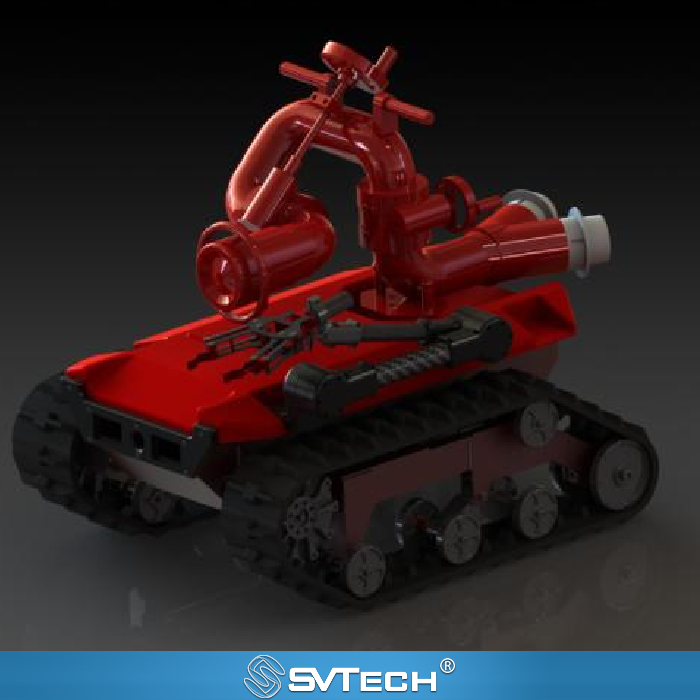
First Principles of Special Robots: Design Starts from the On-Site Task
Robot capabilities need to correspond to passages, ground, environment, payload and personnel organization. Maximum climbing grade or maximum remote control distance can only indicate specific boundaries and cannot directly represent task success rate.
Truly usable robot capabilities come from the coordination among mechanics, perception, control and on-site personnel. Understanding these boundaries helps bring new technologies from demonstrations into daily work. Clearly write down the actions to be completed, the results and the limitations, then check the specific configuration of SV-FFR or SV-EDR with Shuangjie; test with representative scenarios, and do not judge applicability based on appearance.
Remote observation, water-spray handling and industrial inspection require different sensing and interfaces. Even if they share the same chassis, task equipment and acceptance methods may also differ.
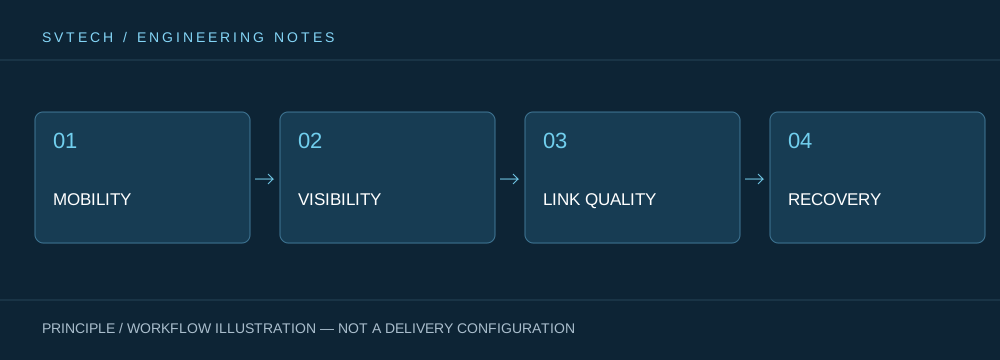
Technical Principles and Engineering Boundaries
Special robots bring the mobile chassis, actuators, sensors, communications and human-machine interface into the same on-site system. "First Principles of Special Robots: Design Starts from the On-Site Task" reminds us that product parameters need to be understood together with ground conditions, payload status, operator position and task time. Speed, climbing, endurance or protection rating are not absolute conclusions detached from the environment; only under specified routes, obstacles, temperatures and control methods do the robot's capability boundaries have engineering significance.
Application Scenarios and Implementation Paths
Firefighting, hazardous environment inspection, industrial inspection and emergency rescue are the most valuable application directions for special robots. Their common goal is to extend personnel perception and operating range, and under suitable conditions reduce the risk of direct approach. Before deployment, the task area, communication conditions, entry and recovery paths, personnel responsibilities and information handover should all be designed together, so that robot intelligence truly serves on-site decision-making rather than merely demonstrating a single action.
Project Validation and Continuous Optimization
In order to make this technical discussion on "First Principles of Special Robots: Design Starts from the On-Site Task" land in real projects, the verification stage should record configuration versions, environmental conditions, measurement positions and task results at the same time. Clearly write down the actions to be completed, the results and the limitations, then check the specific configuration of SV-FFR or SV-EDR with Shuangjie; test with representative scenarios, and do not judge applicability based on appearance. This information is not additional documentation, but a shared basis for explaining results, reproducing performance and continuous optimization.
Related Support from SVTECH
SVTECH provides product information, project requirement communication and configuration boundary checks around special robots and related industry applications. For topics such as "First Principles of Special Robots: Design Starts from the On-Site Task," task conditions, target results, on-site environment and existing equipment can be explained together, and Mr. Liu (+86 18688194199, lhc1983@gmail.com) can assist with coordination; specific models, performance and delivery scope are subject to confirmed information and project verification.
For example, "enter the workshop to complete observation" is not specific enough: it should state whether it is necessary to cross a threshold, identify instruments, carry a detector and return along the original route. Only after breaking down these actions can it be judged whether the task is limited by the chassis, payload or communication conditions. The acceptance form should also record these actions item by item.
When facts, conditions and goals are clearly recorded, technology choices can withstand subsequent review.
Sources
- NIST / Standard Test Methods for Response Robots

