
Special-purpose robots extend human reach beyond work positions that are high-risk, hard to access or repetitive. What Ingress Protection Really Covers: Environmental Resilience of Robots and Payloads reminds engineering teams to understand the phenomenon first, then discuss configurations and solutions.
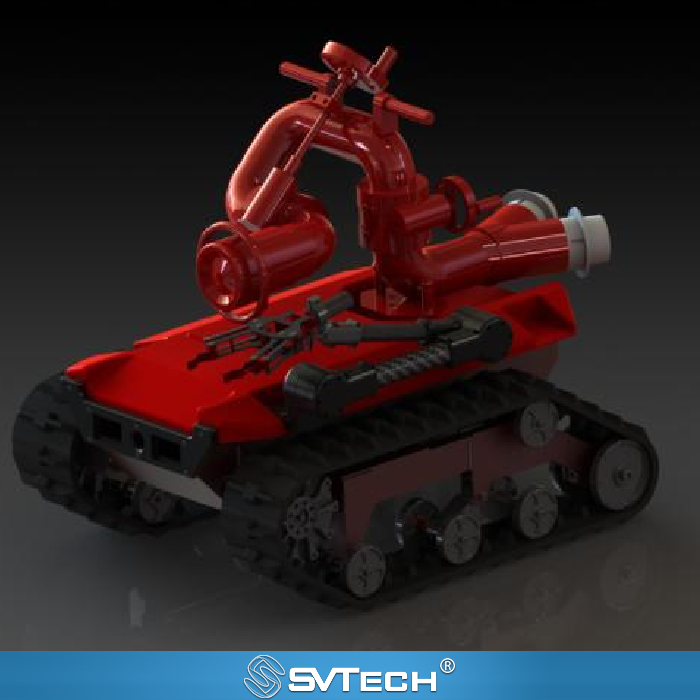
What Ingress Protection Really Covers: Environmental Resilience of Robots and Payloads
Ingress protection testing is usually performed on a specific assembled state; cameras, connectors, access panels and add-on payloads may carry different ratings. A single figure in overall product marketing needs to be checked against the exact scope it covers.
Genuinely usable robot capability comes from coordination among mechanics, perception, control and on-site personnel. Building a shared vocabulary around this topic reduces misunderstanding and rework in later integration. Confirm the version, assembly and test conditions; maintain seals as instructed; re-evaluate after modification. Do not equate a dust/water ingress rating with corrosion resistance or suitability for explosive atmospheres.
If interfaces are left unsealed or seals are not restored after servicing, actual protection may differ from the original test state. For water-jet operations, direction, pressure and duration also matter.
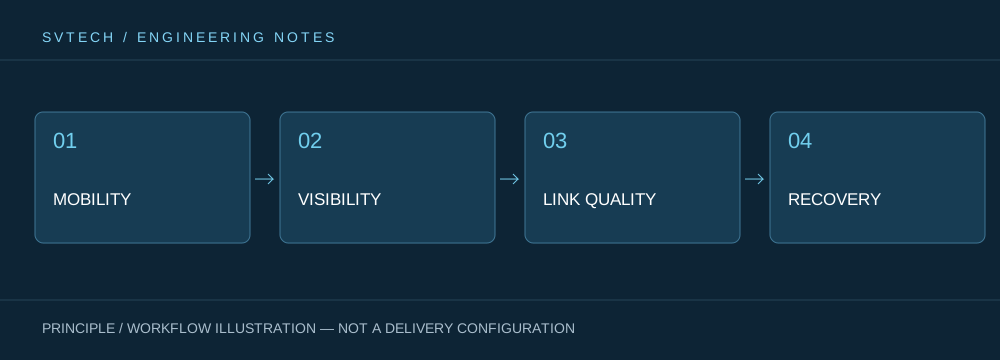
Technical principles and engineering boundaries
Special-purpose robots bring the mobile chassis, actuators, sensors, communications and human-machine interface into a single on-site system. What Ingress Protection Really Covers: Environmental Resilience of Robots and Payloads reminds us that product specifications must be understood together with ground conditions, payload state, operator position and mission duration. Speed, gradeability, endurance and ingress protection ratings are not absolute conclusions independent of the environment; a robot's capability limits only become engineering-relevant under a specified route, obstacles, temperature and control mode.
Application scenarios and implementation paths
Firefighting, hazardous-environment inspection, industrial inspection and emergency rescue are among the most valuable application areas for special-purpose robots. Their common goal is to extend personnel perception and operating range and, under suitable conditions, reduce the need for direct proximity to risk. Before deployment, the task area, communication conditions, entry and recovery paths, personnel responsibilities and information handover should all be designed together, so that robot intelligence truly serves on-site decisions rather than merely demonstrating individual actions.
Project validation and continuous optimization
To ground this technical discussion of What Ingress Protection Really Covers: Environmental Resilience of Robots and Payloads in real projects, the validation phase should record the configuration version, environmental conditions, measurement locations and mission results together. Confirm the version, assembly and test conditions; maintain seals as instructed; re-evaluate after modification. Do not equate a dust/water ingress rating with corrosion resistance or suitability for explosive atmospheres. This information is not supplementary documentation but the shared basis for interpreting results, reproducing performance and driving continuous improvement.
Related support from SV Tech
Zhuhai SV Tech Co. Ltd. provides product documentation, project requirement discussions and configuration boundary checks for special-purpose robots and related industry applications. For topics such as What Ingress Protection Really Covers: Environmental Resilience of Robots and Payloads, you can describe the task conditions, target outcomes, site environment and existing equipment together, and Mr. Liu (+86 18688194199, lhc1983@gmail.com) will assist with coordination; specific models, performance and delivery scope are subject to confirmed documentation and project validation.
Maintenance records should state which parts were opened, which seals were used and what inspections were completed. Where temporary external interfaces are present, the state both when connected and when disconnected and capped must be checked. Marking interfaces separately reduces the chance of mismatched accessories being used during shift handover.
Placing a local issue within a complete understanding of the mission makes every step of the project better grounded.

