
Specialized robots extend human reach out of high-risk, hard-to-access or repetitive work locations. Before Entering Hazardous Areas: Robot Selection and On-Site Risk Zoning may look like a single component, yet in practice it shapes the pace and quality of the entire service workflow.
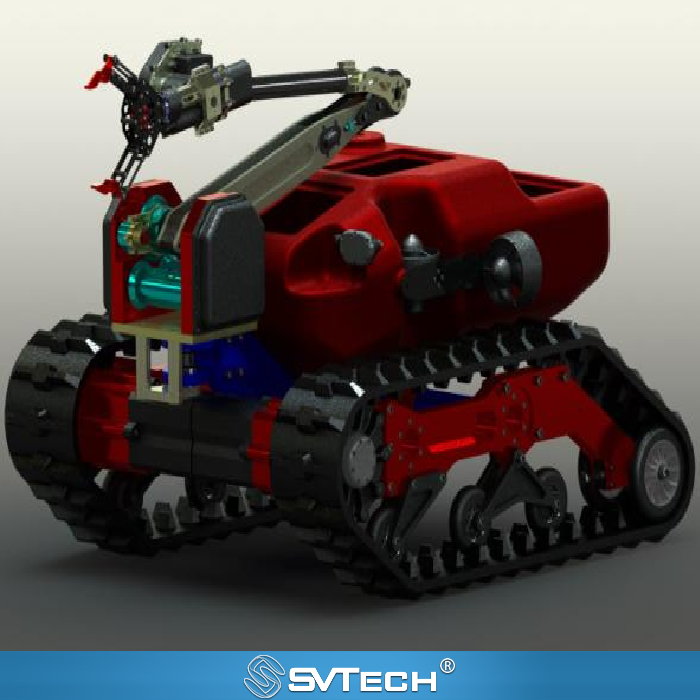
Before Entering Hazardous Areas: Robot Selection and On-Site Risk Zoning
The on-site media, hazardous-area classification and temperature conditions determine the range of applicable equipment. A robot can be operated remotely, but that does not mean it cannot itself become a source of risk, and keeping personnel at a distance is no substitute for equipment compliance.
Truly usable robot capability comes from the interplay of mechanics, perception, control and on-site personnel. It reminds engineering teams to understand the phenomenon first, then discuss configuration and solutions. Area requirements are confirmed by on-site and protection specialists, with documentation checked for the complete machine and its payload; operating limits and maintenance are defined; and if applicability is unclear, deployment is halted for evaluation first.
Different areas of the same plant may impose different requirements, and maintenance status and temporary operating conditions can also change. Experience from other locations cannot be used as direct clearance.
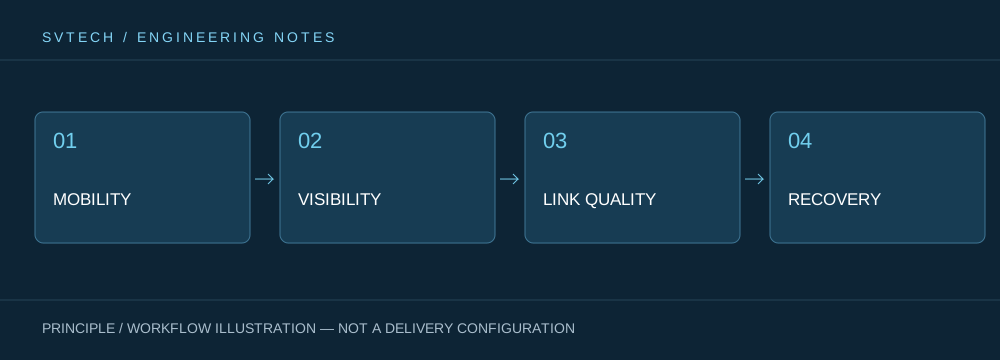
Technical Principles and Engineering Boundaries
Specialized robots bring the mobile chassis, actuators, sensors, communications and human-machine interface together into one on-site system. Before Entering Hazardous Areas: Robot Selection and On-Site Risk Zoning reminds us that product specifications must be understood in relation to ground conditions, payload status, operator position and mission duration. Speed, gradeability, endurance or ingress protection ratings are not absolute conclusions divorced from the environment; a robot's capability boundaries carry engineering meaning only under specified routes, obstacles, temperatures and control methods.
Application Scenarios and Implementation Path
Firefighting, hazardous-environment inspection, industrial patrols and emergency rescue are the most valuable application areas for specialized robots. Their common goal is to extend personnel perception and operating range and, under suitable conditions, to reduce direct exposure to risk. Before deployment, the mission area, communication conditions, entry and recovery paths, personnel responsibilities and information handover should all be designed together, so that robot intelligence genuinely serves on-site decisions rather than merely demonstrating individual actions.
Project Validation and Continuous Optimization
To ground this technical discussion of Before Entering Hazardous Areas: Robot Selection and On-Site Risk Zoning in real projects, the validation stage should record configuration version, environmental conditions, measurement locations and mission results together. Area requirements are confirmed by on-site and protection specialists, with documentation checked for the complete machine and its payload; operating limits and maintenance are defined; and if applicability is unclear, deployment is halted for evaluation first. This information is not supplementary documentation but the shared basis for interpreting results, reproducing performance and driving continuous optimization.
Related Support from SV Tech
Zhuhai SV Tech Co. Ltd. provides product documentation, project requirement discussions and configuration-boundary verification for specialized robots and related industry applications. For topics such as Before Entering Hazardous Areas: Robot Selection and On-Site Risk Zoning, you can describe the mission conditions, target outcomes, on-site environment and existing equipment together, and Mr. Liu (+86 18688194199, lhc1983@gmail.com) will assist with coordination; specific models, performance and delivery scope are subject to confirmed documentation and project validation.
Area documentation should be provided by qualified on-site specialists; equipment sales personnel must not guess from photographs alone. It should also state whether normal operation and maintenance states involve different environments. The mission itself may alter on-site conditions, and the relevant boundaries should be specified in the work plan rather than checked against an area name only once.
When facts, conditions and objectives are clearly recorded, technical choices can withstand subsequent review.
