
Specialized robots extend human reach beyond high-risk, hard-to-access or repetitive work positions. Understanding explosion-proof markings: the compliance language of equipment for hazardous environments is also an important starting point for judging whether a solution can operate reliably over the long term.
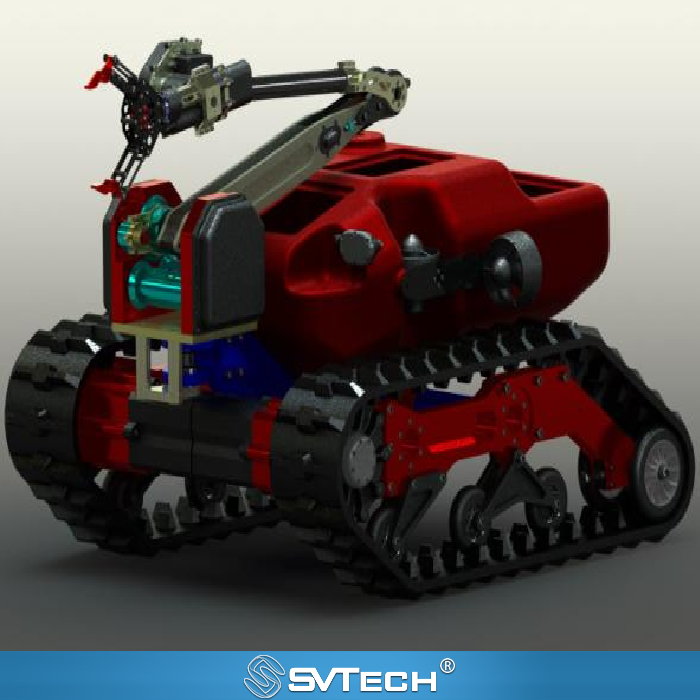
Understanding explosion-proof markings: the compliance language of equipment for hazardous environments
Suitability for a hazardous explosive atmosphere depends on the equipment category, type of protection, gas or dust group, temperature class and conditions of use. A product name or a rugged enclosure cannot substitute for the corresponding documentation.
Genuinely usable robot capability comes from coordination among mechanics, perception, control and on-site personnel. It may appear to reside in a single component, yet in practice it affects the pace and quality of the entire service workflow. Obtain the exact model and valid evidence from the supplier, and have qualified personnel verify the on-site zone; do not enter a hazardous environment before this is confirmed. Do not treat a generic "explosion-proof" label as an unconditional guarantee.
Fitting a new camera, light or battery to the complete machine may change its original scope of application. A certificate for an individual component does not automatically cover the entire robot.
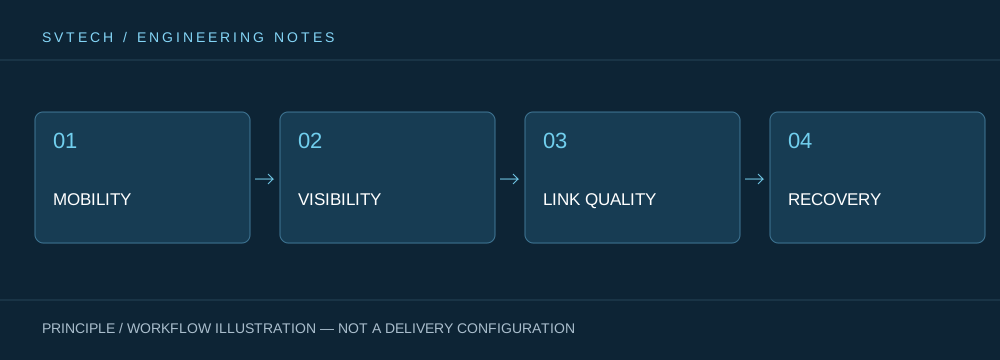
Technical principles and engineering boundaries
Specialized robots bring the mobile chassis, actuators, sensors, communications and human-machine interface together into a single on-site system. "Understanding explosion-proof markings: the compliance language of equipment for hazardous environments" reminds us that product specifications must be understood in relation to ground conditions, payload state, operator position and mission duration. Speed, gradeability, endurance and ingress protection are not absolute conclusions divorced from the environment; a robot's capability envelope has engineering meaning only under specified routes, obstacles, temperatures and control methods.
Application scenarios and implementation paths
Firefighting, hazardous-environment inspection, industrial patrols and emergency response are among the most valuable application areas for specialized robots. Their common goal is to extend personnel's sensing and operating range and, under suitable conditions, reduce the risk of direct approach. Before deployment, the task area, communication conditions, entry and recovery paths, personnel responsibilities and information handover should all be designed together, so that robot intelligence genuinely serves on-site decisions rather than merely demonstrating individual motions.
Project validation and continuous improvement
To ground this technical discussion of "understanding explosion-proof markings: the compliance language of equipment for hazardous environments" in real projects, the validation phase should record the configuration version, environmental conditions, measurement locations and mission results together. Obtain the exact model and valid evidence from the supplier, and have qualified personnel verify the on-site zone; do not enter a hazardous environment before this is confirmed. Do not treat a generic "explosion-proof" label as an unconditional guarantee. This information is not supplementary documentation but the shared basis for interpreting results, reproducing performance and driving continuous improvement.
Related support from SV Tech
Zhuhai SV Tech Co. Ltd. provides product documentation, project requirement discussions and configuration-boundary checks for specialized robots and related industry applications. For a topic such as "understanding explosion-proof markings: the compliance language of equipment for hazardous environments," you can describe the task conditions, target outcomes, on-site environment and existing equipment together, and Mr. Liu (+86 18688194199, lhc1983@gmail.com) will assist with the coordination; specific models, performance and delivery scope are subject to confirmed documentation and project validation.
During procurement review, match the model, version, accessories and special conditions of use in the certificate against the installed equipment list item by item. In particular, confirm whether subsequently added lights, communication components and repair parts are subject to restrictions. If the certificate exists only as screenshots or is missing pages, obtain the complete valid document and verify it through appropriate channels.
Only by accumulating this experience continuously can teams make similar tasks increasingly reliable.
