
Specialized robots extend people beyond high-risk, hard-to-reach, or repetitive work positions. The engineering significance of emergency stop—preserving a clear stop path for hazardous tasks—reminds engineering teams to understand the phenomenon first, then discuss configuration and solutions.
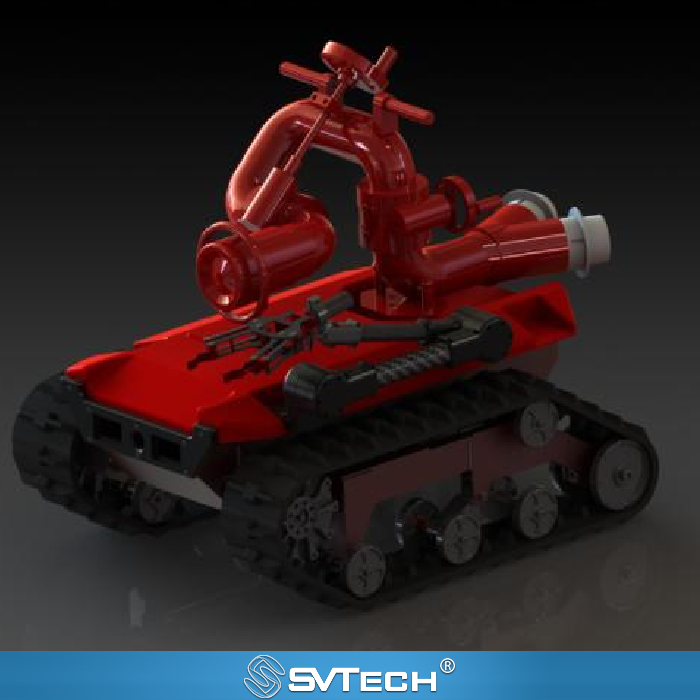
The Engineering Significance of Emergency Stop: Preserving a Clear Stop Path for Hazardous Tasks
Routine stop is used for operational control, while emergency stop addresses defined hazardous situations; its scope of action, braking method, and reset requirements must be clearly specified. Emergency stop does not necessarily cut off all loads or stored energy.
Genuinely usable robot capability comes from the coordination among mechanics, perception, control, and on-site personnel. Building a shared vocabulary around this topic can reduce misunderstandings and rework in later integration. Request documentation and have it reviewed by a professional team; validate under controlled conditions; train personnel to understand the applicable scenarios. Do not replace normal operation with frequent emergency stops, and do not modify safety circuits yourself.
Buyers should clarify which motions will stop, whether braking is maintained, and how the system is restored. A single red button does not indicate what safety performance the system actually provides.
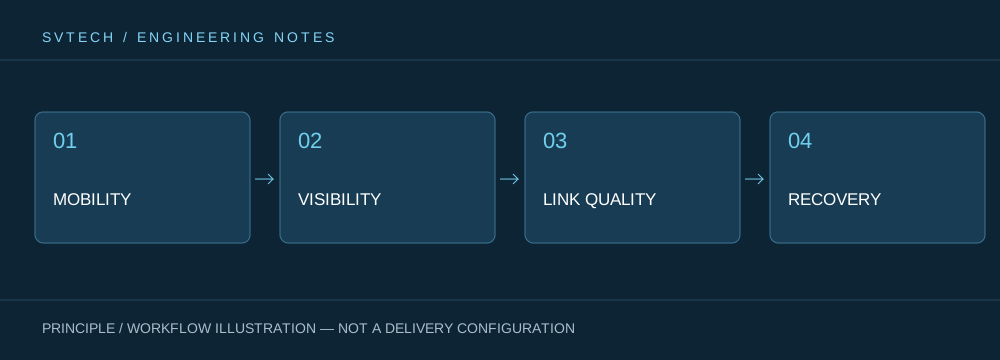
Technical Principles and Engineering Boundaries
Specialized robots bring the mobile chassis, actuators, sensors, communications, and human-machine interface into a single on-site system. "The Engineering Significance of Emergency Stop: Preserving a Clear Stop Path for Hazardous Tasks" reminds us that product specifications must be understood in relation to ground conditions, load state, operator position, and task duration. Speed, gradeability, endurance, or ingress protection are not absolute conclusions detached from the environment; a robot's capability boundary has engineering meaning only under a specified route, obstacles, temperature, and control method.
Application Scenarios and Implementation Path
Firefighting, hazardous-environment inspection, industrial inspection, and emergency rescue are the most valuable application directions for specialized robots. Their common goal is to extend personnel perception and working range, and to reduce direct-approach risk where conditions allow. Before deployment, the task area, communication conditions, entry and recovery paths, personnel responsibilities, and information handover should all be designed together, so that robot intelligence truly serves on-site decisions rather than merely demonstrating individual motions.
Project Validation and Continuous Optimization
To bring this technical discussion of "The Engineering Significance of Emergency Stop: Preserving a Clear Stop Path for Hazardous Tasks" into real projects, the validation phase should record configuration versions, environmental conditions, measurement locations, and task results together. Request documentation and have it reviewed by a professional team; validate under controlled conditions; train personnel to understand the applicable scenarios. Do not replace normal operation with frequent emergency stops, and do not modify safety circuits yourself. This information is not supplementary documentation but the shared basis for interpreting results, reproducing performance, and continuously optimizing.
Related Support from SVTECH
SVTECH provides product documentation, project requirement discussions, and configuration boundary verification for specialized robots and related industry applications. For topics such as "The Engineering Significance of Emergency Stop: Preserving a Clear Stop Path for Hazardous Tasks," describe the task conditions, target outcomes, on-site environment, and existing equipment together, and Mr. Liu (+86 18688194199, lhc1983@gmail.com) will assist with coordination; specific models, performance, and delivery scope are subject to confirmed documentation and project validation.
A state comparison table can be drawn up listing emergency stop, communication loss, low battery, and normal stop, with the responses of the chassis and task equipment written out separately. This way operators will not mistakenly assume that any stop means the system holds no energy. Before maintenance, the equipment's prescribed energy isolation and confirmation procedures must still be followed.
Placing local issues within a complete task understanding makes every step of the project better grounded.

