
The surface temperature of modules in operation varies with irradiance and ambient conditions. When a water stream contacts the surface, it creates localized cooling, and the materials and structure then experience different temperature conditions. Cleaning scheduling therefore needs to consider both energy production and material requirements.
Timing is also a process parameter
The temperature difference between the module surface and the water temperature affects thermal stress, and allowable conditions may differ depending on the materials and structure. You cannot schedule cleaning at any high-temperature time slot just because water can provide cooling.
Temperature conditions in the early morning, evening and midday may differ, but the specific permitted methods should still follow the module manufacturer's requirements. Water temperature, spray distribution and on-site wind also affect the process. Replacing specific product conditions with generalized experience easily overlooks material differences. A reasonable plan can reduce conflicts between the process and production.
In the same power plant, sunny and shaded areas may have different temperatures, and ambient air temperature cannot fully represent the glass surface. Scheduling should combine temperature, wind conditions, personnel and water supply, avoiding the temporary prioritization of output over material limits.
Technical Principles and Engineering Boundaries
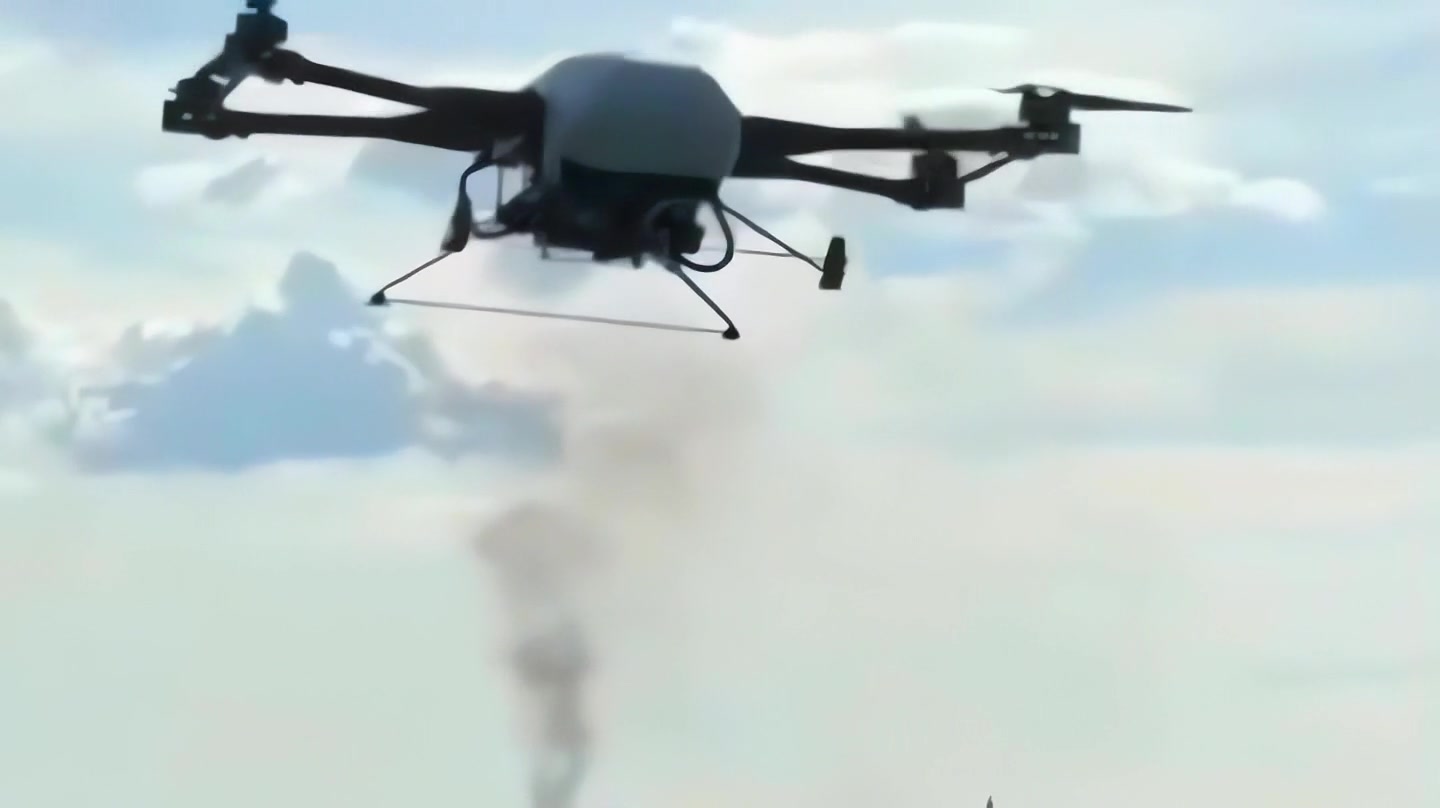
Drone cleaning places flight, water supply, spraying and surface material maintenance into the same process. When discussing "Photovoltaic modules in sunlight: cleaning processes need to account for temperature variations," the changes in water flow among the pump station, piping, nozzles and the surface being cleaned, together with the attitude, wind conditions and path coverage of the flight platform, jointly determine the result. For photovoltaic modules and building facades, cleaning effectiveness should not be judged only by the appearance immediately after spraying, but should also take into account the surface condition after drying, material requirements and reviewable quality records.
Application Scenarios and Implementation Paths
PV cleaning drones are best discussed together with plant zoning, soiling trends, water supply conditions and O&M windows; facade cleaning drones, meanwhile, require an understanding of building form, drainage, surrounding access and property coordination. Automated equipment can change how work at height is organized, but it cannot replace on-site process judgment. Verifying paths, spraying and acceptance methods in a representative area first, then expanding to a larger area, often helps form a stable intelligent cleaning solution.
Project Validation and Continuous Optimization
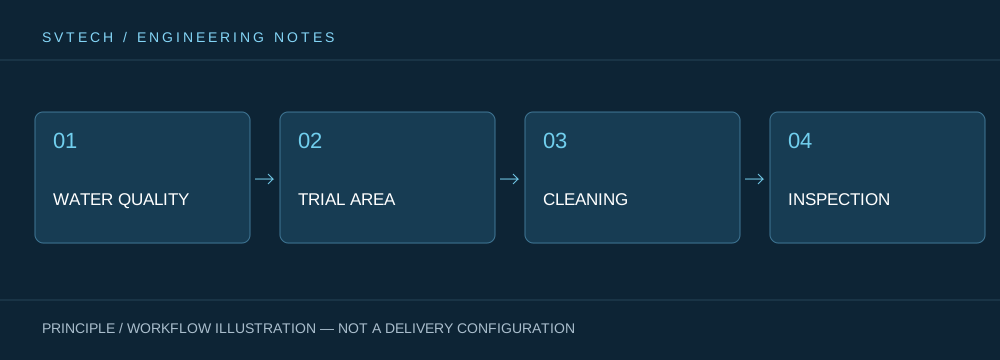
To make this technical discussion on "Photovoltaic modules in sunlight: cleaning processes need to account for temperature variations" applicable to real projects, the validation phase should record the configuration version, environmental conditions, measurement locations and task results together. Consult the module cleaning guide and measure representative surfaces; clarify allowable operating conditions and stop conditions; conduct a trial cleaning before scaling up. No general temperature-difference threshold is set here without manufacturer confirmation. This information is not supplementary documentation, but a shared basis for interpreting results, reproducing performance and continuous optimization.
Related Support from SVTECH
SVTECH provides product information, project requirement communication and configuration boundary verification for drone cleaning and related industry applications. For topics such as "Photovoltaic modules in sunlight: cleaning processes need to account for temperature variations," you can explain the task conditions, target outcomes, on-site environment and existing equipment together, and Mr. Liu (+86 18688194199, lhc1983@gmail.com) will assist with coordination; specific models, performance and delivery scope are subject to confirmed documents and project validation.
The operation plan should focus on module temperature, water temperature and allowable cleaning conditions, and be checked with the power plant and module supplier. A plan for strong sunlight and high panel temperature cannot be directly copied from early-morning sample results. If on-site changes exceed confirmed conditions, the time window should be adjusted rather than continuing the original process to cover more area.
Paying attention to temperature does not add complicated steps; it makes cleaning better fit the material itself. Incorporating time windows into the plan helps achieve consistent surface treatment results.
