
Cleaning drones are bringing high-level and large-area maintenance into a more finely organized mode of operations. "One System, Many Facades: How Material Differences Change the Cleaning Plan" reminds engineering teams to understand the phenomena first, then discuss configurations and solutions.
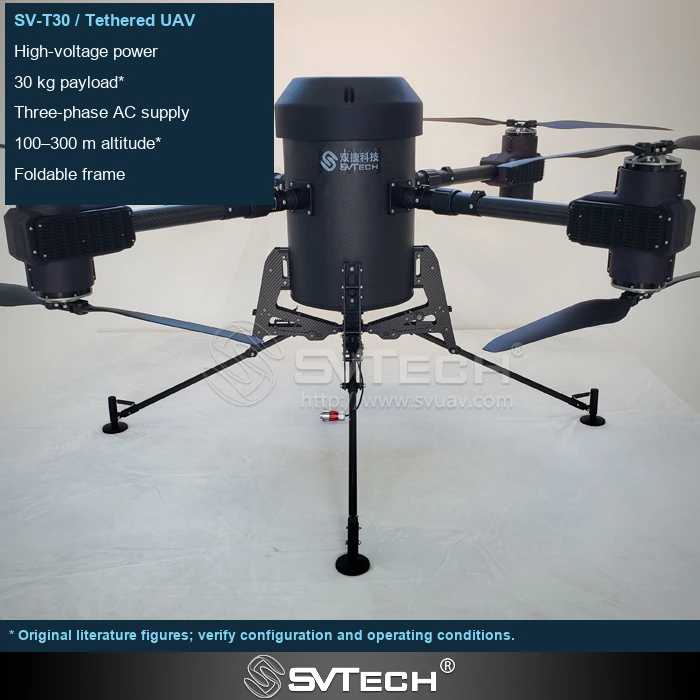
One System, Many Facades: How Material Differences Change the Cleaning Plan
Different materials vary widely in porosity, coatings and joints, and so do the risks of water absorption, residue and color differences. A similar building appearance does not mean the cleaning agent and spray method can be used interchangeably.
Surface maintenance is not just about removing stains; it is about finding a reliable balance among material, resources and on-site pace. Building a shared vocabulary around this topic can reduce misunderstandings and rework in later integration. Define processes by material zone, obtain applicable instructions and run test cleaning; wait the specified time to observe the dried result; where necessary, involve a materials specialist in the assessment before expanding the work area.
Coatings on metal panel surfaces may be sensitive to chemicals, and stone may change color after absorbing water. A brief wet appearance cannot serve as the final acceptance result.
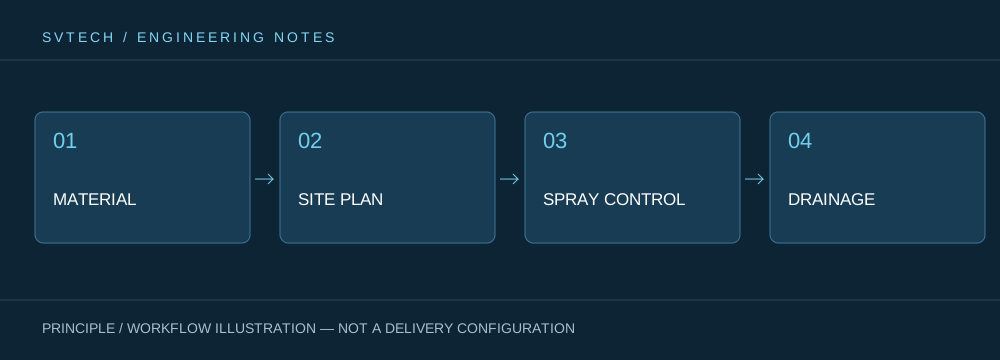
Technical Principles and Engineering Boundaries
Drone cleaning brings flight, water supply, spraying and surface material maintenance into a single process. When discussing "One System, Many Facades: How Material Differences Change the Cleaning Plan," the behavior of water flow among the pump station, hoses, nozzles and the surface being cleaned, together with the flight platform's attitude, wind conditions and path coverage, jointly determine the outcome. For PV modules and building facades, cleaning effectiveness should not be judged only by the appearance right after spraying; it should also take into account the surface state after drying, material requirements and reviewable quality records.
Application Scenarios and Implementation Path
A PV cleaning drone is best discussed alongside plant zoning, soiling trends, water supply conditions and O&M windows; a curtain wall cleaning drone requires an understanding of building form, drainage, surrounding access and property coordination at the same time. Automated equipment can change how high-level work is organized, but it cannot replace on-site process judgment. Validating the path, spraying and acceptance method in a representative area before expanding to a larger area often helps form a stable intelligent cleaning solution.
Project Validation and Continuous Optimization
To ground this technical discussion of "One System, Many Facades: How Material Differences Change the Cleaning Plan" in real projects, the validation phase should record the configuration version, environmental conditions, measurement locations and task results together. Define processes by material zone, obtain applicable instructions and run test cleaning; wait the specified time to observe the dried result; where necessary, involve a materials specialist in the assessment before expanding the work area. This information is not supplementary documentation but the shared basis for interpreting results, reproducing performance and continuously optimizing.
Related Support from SV Tech
Zhuhai SV Tech Co. Ltd. provides product documentation, project requirement discussions and configuration boundary checks for drone cleaning and related industry applications. For topics such as "One System, Many Facades: How Material Differences Change the Cleaning Plan," you can describe the task conditions, target outcomes, site environment and existing equipment together, and Mr. Liu (+86 18688194199, lhc1983@gmail.com) will assist with the coordination; specific models, performance and delivery scope are subject to confirmed documentation and project validation.
Materials may differ greatly in porosity, surface treatment and chemical resistance; a glass sample passing does not mean stone or metal will be equally suitable. Before quoting, divide by material zone and confirm the process and acceptance criteria separately. Mixed facades also require attention to sagging and residue in different areas, so that cleaning upper sections does not contaminate lower materials.
Placing local issues within a complete understanding of the task makes every step of the project better grounded.
