
Only when sunlight passes through the module surface can it participate in power generation. Soiling changes light transmission conditions, but different types of contamination do not affect a power plant in the same way. Cleaning decisions are therefore shifting from uniform calendars and visual judgment toward refined O&M that combines on-site data.
Understand the losses first, then schedule the work
The degree of visual contamination and power generation loss are not always proportional. Dust properties, distribution, rainfall and module structure all affect the result. Before scheduling cleaning, comparable power generation performance, soiling records and module inspections should be combined, rather than relying only on long-distance photos.
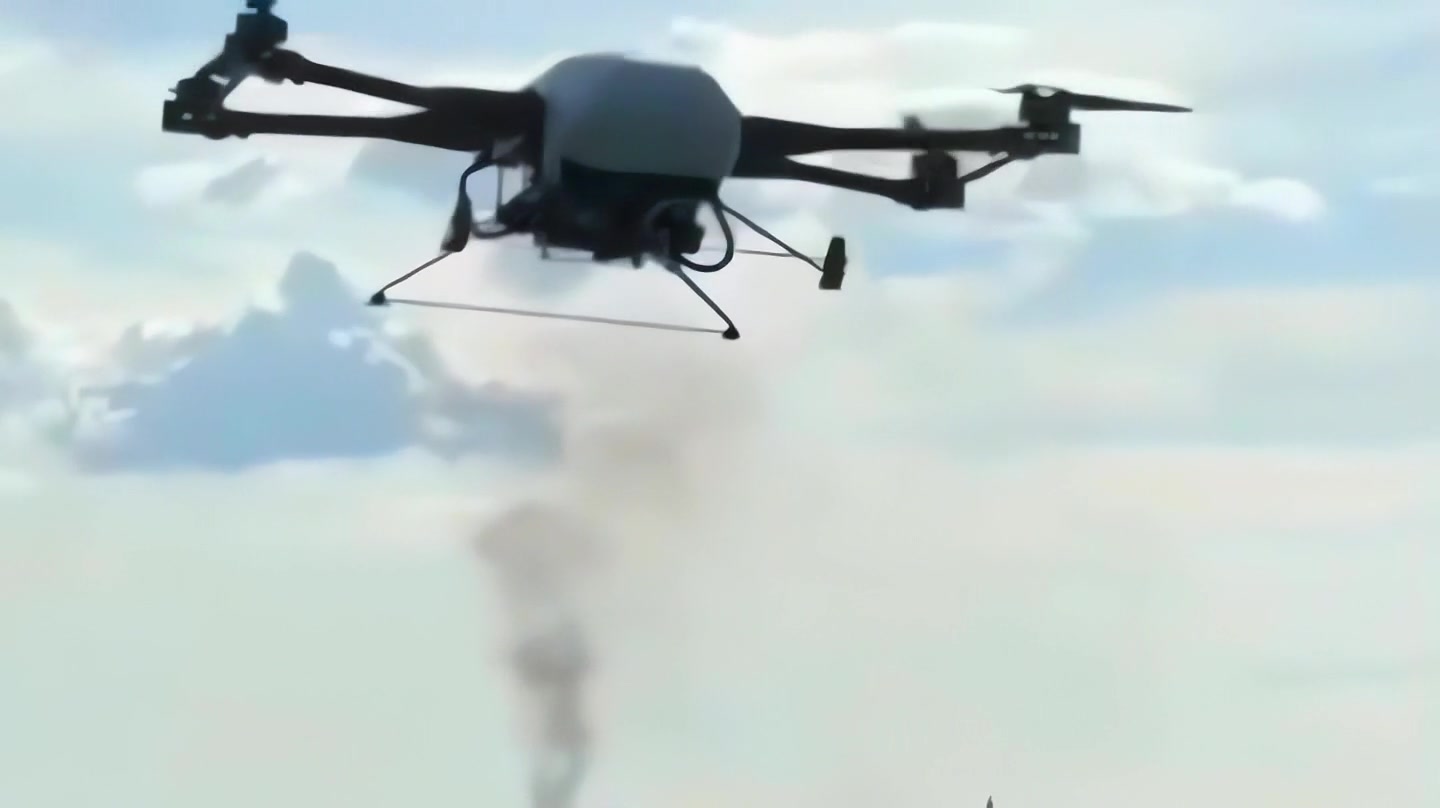
Uniform light dust and localized stubborn contamination have different distributions, and seasons and nearby activities change the accumulation rate. Comparison of representative areas can help understand the value of cleaning, but differences in weather and equipment status must still be excluded. Drones provide a new method of operation, and their role should be evaluated within the entire O&M process, rather than independently taking on all power generation improvements.
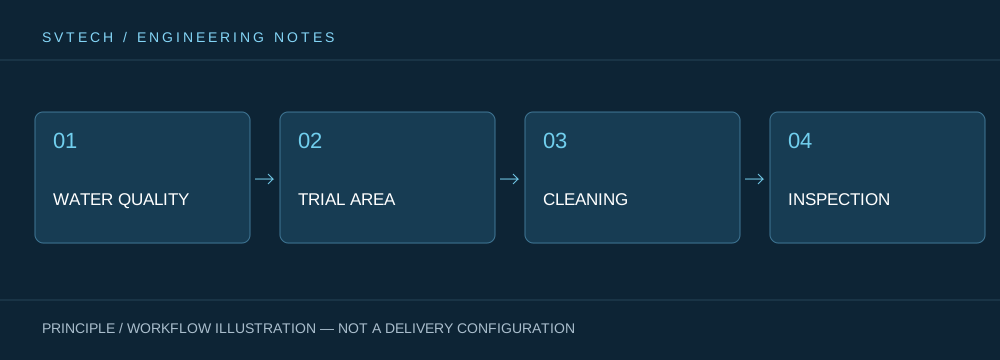
Representative areas can be selected for trial cleaning with unwashed controls retained, and irradiation, temperature and equipment status should be considered during comparison. If inverter or shading issues already exist, all losses cannot be attributed to soiling.
Technical Principles and Engineering Boundaries
Drone cleaning places flight, water supply, spraying and surface material maintenance into the same process. When discussing “PV cleaning moves toward refined O&M: from seeing dust to understanding power generation losses,” the changes in water flow among the pump station, pipelines, nozzles and the surface being cleaned, together with the flight platform’s attitude, wind conditions and path coverage, jointly determine the result. For PV modules and building facades, cleaning effectiveness should not be judged only by appearance immediately after spraying, but should also combine the surface state after drying, material requirements and reviewable quality records.
Application Scenarios and Implementation Paths
PV cleaning drones are best discussed together with plant zoning, soiling trends, water supply conditions and O&M windows; facade cleaning drones, meanwhile, require an understanding of building form, drainage, surrounding access and property coordination. Automated equipment can change how work at height is organized, but it cannot replace on-site process judgment. Verifying paths, spraying and acceptance methods in a representative area first, then expanding to a larger area, often helps form a stable intelligent cleaning solution.
Project Validation and Continuous Optimization
To make this technical discussion on “PV cleaning moves toward refined O&M: from seeing dust to understanding power generation losses” applicable to real projects, the validation stage should record configuration versions, environmental conditions, measurement locations and task results at the same time. Establish a pre-cleaning baseline and zoning records; confirm the methods permitted by the module manufacturer; and combine trial results with cost accounting. The M30 solution evaluation should also start from on-site evidence. This information is not ancillary documentation, but a shared basis for explaining results, reproducing performance and continuously optimizing.
Related Support from SVTECH
SVTECH provides product information, project requirement communication and configuration boundary checks for drone cleaning and related industry applications. For topics such as “PV cleaning moves toward refined O&M: from seeing dust to understanding power generation losses,” task conditions, target outcomes, on-site environment and existing equipment can be described together, and Mr. Liu (+86 18688194199, lhc1983@gmail.com) can assist with coordination; specific models, performance and delivery scope are subject to confirmed information and project validation.
Representative areas can be selected to record contamination type, shading distribution and concurrent operating data, and then evaluate the necessity of cleaning. Uniform dust coverage and localized stubborn contamination require different handling. If historical data is lacking, first establishing a small-scale sample and observation records is more prudent than deciding to clean the entire site immediately based only on photo color.
The goal of cleaning is to make necessary investment produce effective results. Using evidence to determine timing and areas is what allows mechanical capability to translate into more reasonable power plant management.
