
A rain shower can carry away some loose dust, but it can also leave deposits or watermarks. Rainfall amount, pollutant type and module tilt together determine the outcome, so weather cannot simply replace a surface condition inspection.
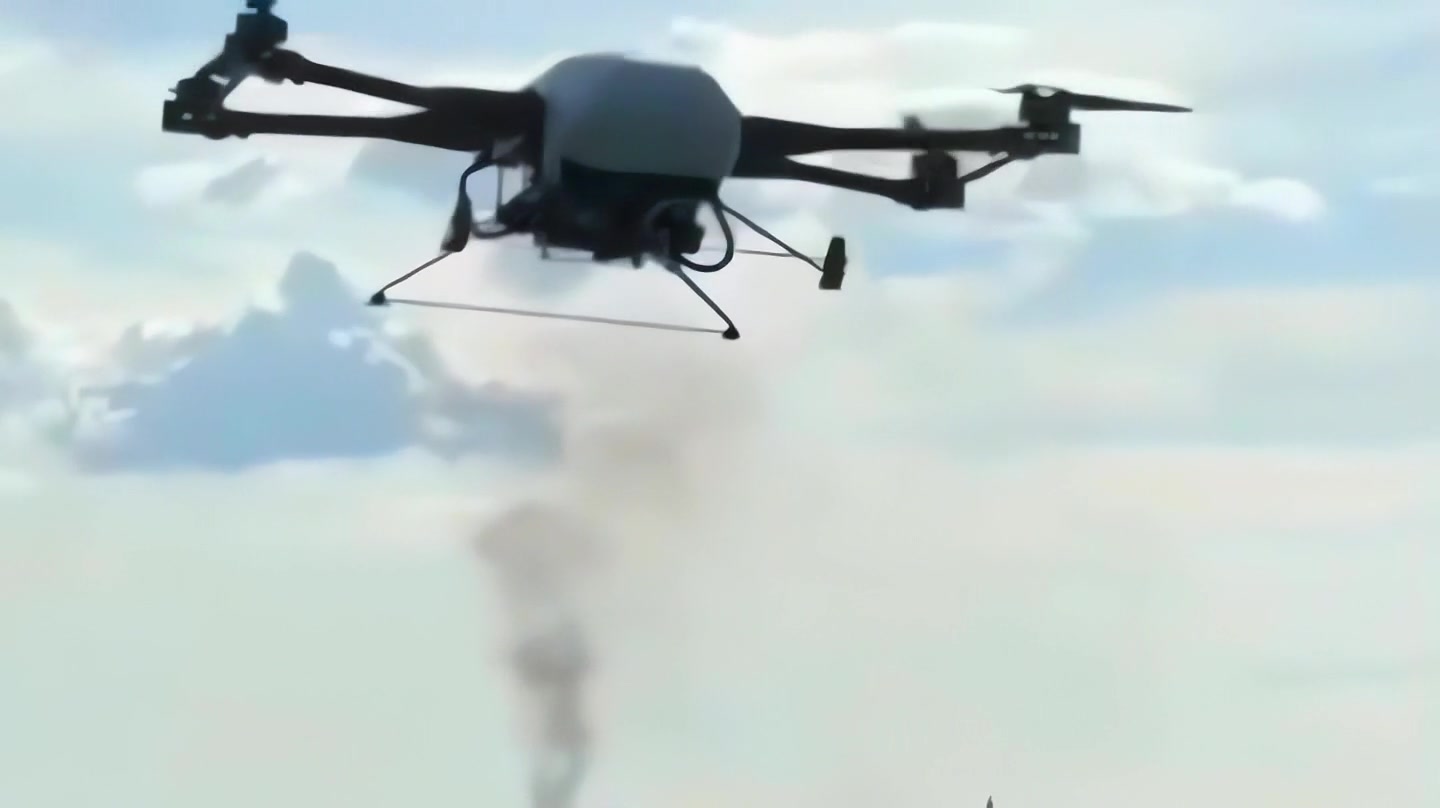
Natural cleaning effects require field feedback
Rainfall may remove some loose dust, but its effect depends on rainfall amount, tilt, pollutant properties and drainage. Bird droppings, oil films or edge deposits may not be removed, and new mud streaks may appear.
Light rain may redistribute dust, and heavier precipitation does not necessarily remove stubborn adhesion. Post-rain observations and operating data help adjust the original plan, avoiding unnecessary work or missed priority areas. Incorporating rainfall into historical records makes subsequent decisions more aligned with site patterns.
After rain, representative areas should be re-inspected rather than automatically treating each rainfall as completion of a cleaning cycle. If power generation performance recovers and the surface meets requirements, the schedule can be re-evaluated.
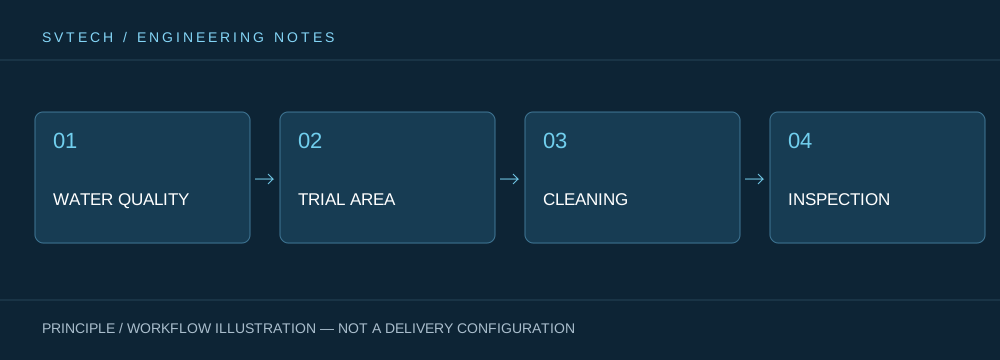
Technical principles and engineering boundaries
Drone cleaning integrates flight, water supply, spraying and surface material maintenance into a single process. When discussing "PV Surfaces After Rain: How Natural Precipitation and Professional Cleaning Differ", the behavior of water flow among the pump station, piping, nozzles and the cleaned surface, together with the flight platform's attitude, wind conditions and path coverage, jointly determine the outcome. For PV modules and building facades, cleaning effectiveness should not be judged solely by appearance immediately after spraying, but should also consider the surface state after drying, material requirements and traceable quality records.
Application scenarios and implementation paths
PV cleaning drones are best discussed together with plant zoning, contamination trends, water supply conditions and O&M windows; facade cleaning drones require simultaneous understanding of building morphology, drainage, surrounding access and property coordination. Automated equipment can change the organization of work at height, but cannot replace on-site process judgment. Validating paths, spraying and acceptance methods in representative areas before scaling to larger surfaces often helps form a stable intelligent cleaning solution.
Project validation and continuous optimization
To ground this technical discussion on "PV Surfaces After Rain: How Natural Precipitation and Professional Cleaning Differ" in real projects, the validation phase should record configuration versions, environmental conditions, measurement locations and task results together. Record rainfall and contamination changes, and combine with O&M data for judgment; maintain a separate treatment plan for stubborn stains. Cleaning decisions should be adjusted based on field evidence, avoiding mechanical calendar execution. This information is not supplementary documentation but a shared basis for interpreting results, reproducing performance and continuous optimization.
Related support from SV Tech
SV Tech provides product documentation, project requirement communication and configuration boundary verification for drone cleaning and related industry applications. For topics such as "PV Surfaces After Rain: How Natural Precipitation and Professional Cleaning Differ", you can describe the task conditions, target outcomes, site environment and existing equipment together; Mr. Liu (+86 18688194199, lhc1983@gmail.com) will assist with coordination. Specific models, performance and delivery scope are subject to confirmed documentation and project validation.
Rainfall intensity, duration, tilt and pollutant type all affect the flushing effect. After rain, representative areas can be spot-checked, especially edges and localized deposits. Plan adjustments should be based on actual conditions and O&M requirements; do not equate "it rained" or "no watermarks" directly with completion of qualified cleaning.
Natural conditions are both partners in O&M and sources of variability. Understanding what actually happens after rain enables proper scheduling of the next cleaning.
