
PV glass surfaces may receive treatments such as anti-reflective coatings. What appears to the eye as a single pane of glass is in fact a surface layer with specific requirements. Cleaning must remove contamination while respecting these material properties.
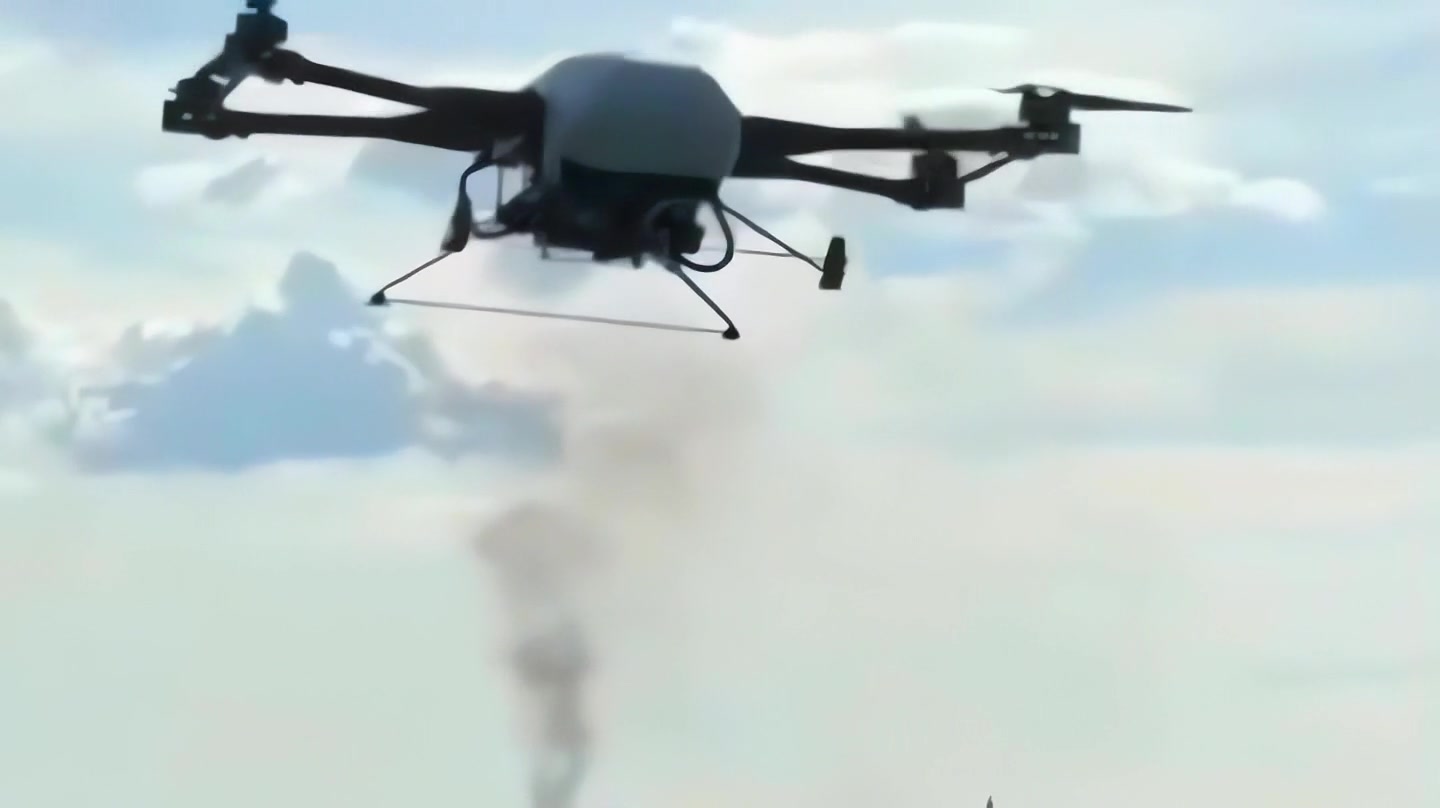
Surface function must match the maintenance method
Surface coatings may be sensitive to abrasion, particles and chemicals, and changes invisible to the eye can still affect performance. General glass-cleaning experience cannot be applied automatically to PV modules; permitted tools and cleaning agents should be confirmed in the manufacturer's documentation.
Mechanical contact, particle abrasion and chemical composition can each produce different effects. Equipment selection should account for the specific module model and manufacturer instructions, avoiding the assumption that experience valid for one type of glass applies to all products. Sample observation and clear process records help maintain the same treatment conditions over time.
Even with non-contact spray cleaning, waterborne particles, spray parameters and pre-existing damage must be considered. A trial wash that only checks for large scratches cannot cover all compatibility issues.
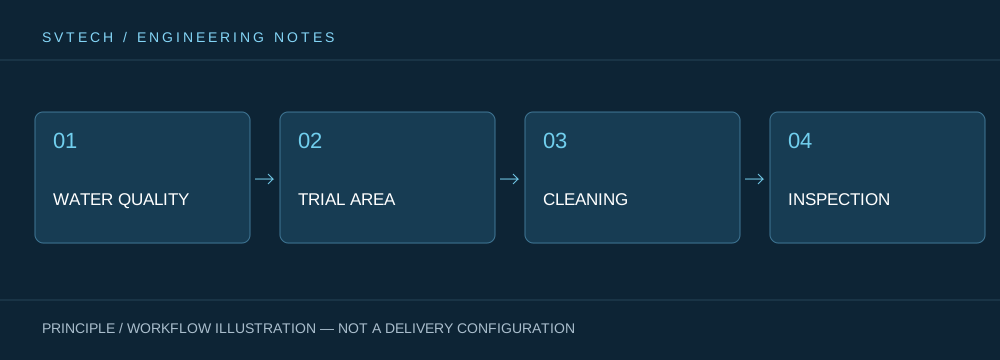
Technical principles and engineering boundaries
Drone cleaning integrates flight, water supply, spraying and surface-material maintenance into a single process. When discussing "Invisible Surface Engineering: How PV Coatings Interact with Cleaning Methods," the behavior of water flow between pump station, piping, nozzle and cleaned surface, together with platform attitude, wind conditions and path coverage, jointly determine the outcome. For PV modules and building facades, cleaning effectiveness should not be judged only by appearance immediately after spraying, but also by the surface state after drying, material requirements and traceable quality records.
Application scenarios and implementation paths
PV cleaning drones are best discussed alongside plant zoning, soiling trends, water supply conditions and O&M windows; facade cleaning drones require simultaneous understanding of building geometry, drainage, surrounding access and property coordination. Automated equipment can change how work at height is organized, but cannot replace on-site process judgement. Validating paths, spraying and acceptance methods in a representative area before scaling to larger surfaces often helps establish a stable intelligent cleaning solution.
Project validation and continuous optimization
To ground this technical discussion of "Invisible Surface Engineering: How PV Coatings Interact with Cleaning Methods" in real projects, the validation phase should simultaneously record configuration versions, environmental conditions, measurement locations and task results. Verify the specific module model and warranty terms; perform approved material tests first; retain before-and-after cleaning records. Do not substitute labels such as "gentle mode" for actual process specifications. This information is not supplementary documentation but the shared basis for interpreting results, reproducing performance and continuous optimization.
Related support from SV Tech
Zhuhai SV Tech Co. Ltd. provides product documentation, project requirement discussion and configuration boundary verification for drone cleaning and related industry applications. For topics such as "Invisible Surface Engineering: How PV Coatings Interact with Cleaning Methods," task conditions, target outcomes, site environment and existing equipment can be described together, with Mr. Liu (+86 18688194199, lhc1983@gmail.com) assisting with coordination; specific models, performance and delivery scope are subject to confirmed documentation and project validation.
Confirm permitted water quality, contact materials and cleaning agents with the module supplier, and retain the corresponding document versions. Samples should be inspected after drying for residue or appearance changes. The absence of visible short-term damage does not mean repeated cleaning has no long-term effect; process confirmation and warranty alignment should precede large-scale rollout.
Cleaning is part of asset maintenance. Understanding surface engineering is what keeps short-term cleaning and long-term service goals aligned.
