
The same plant may experience completely different rates of soiling during the dusty-wind season, the rainy season and construction periods. A fixed cycle makes it easy to schedule personnel, but it does not always match the actual condition of the modules. A dynamic plan gives O&M the opportunity to direct resources to when they are needed most.
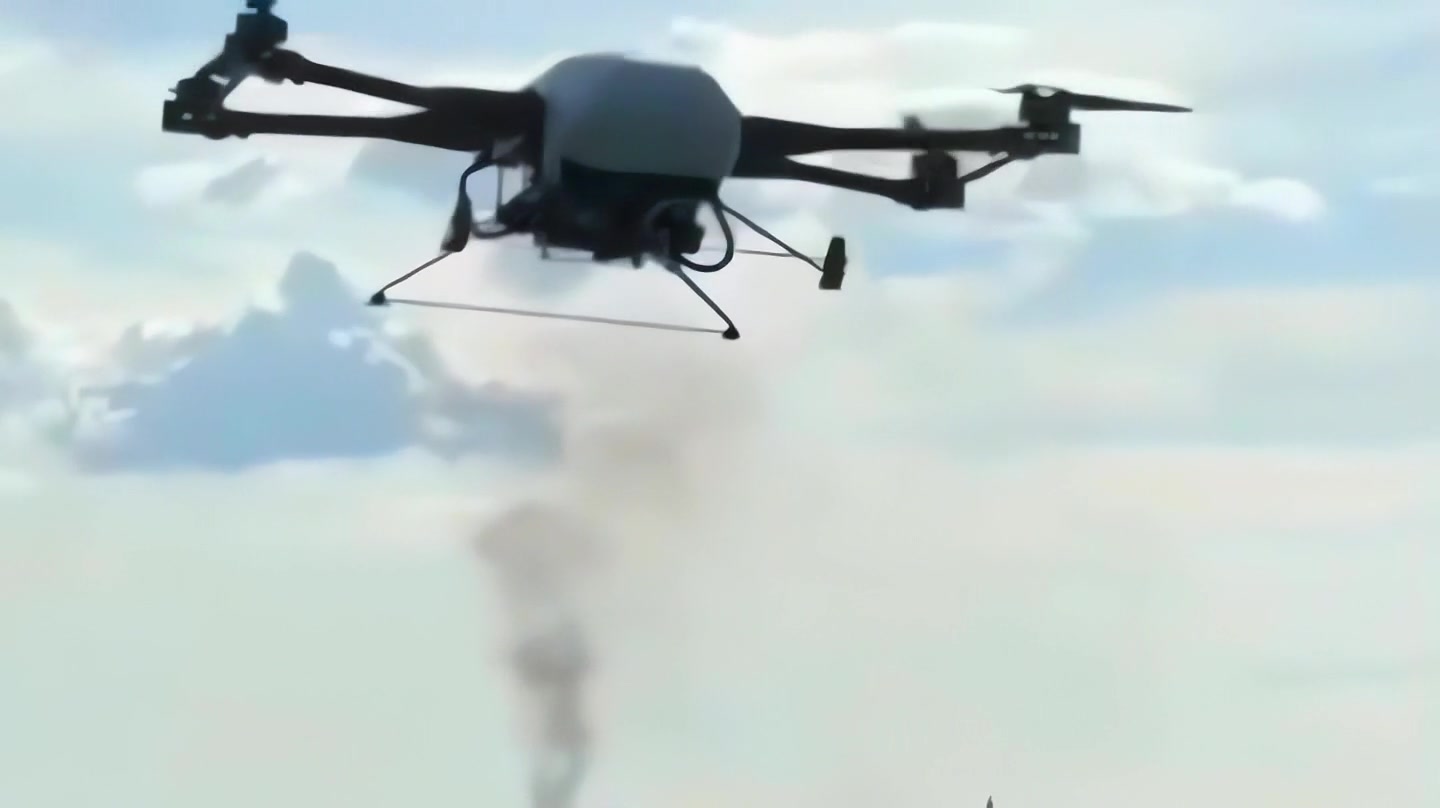
Schedules should accept feedback from the site
Soiling rates vary with season, roads, agricultural activity and rainfall, and a uniform calendar can lead to over-cleaning or under-cleaning. Frequency should be tied to loss trends, available weather and on-site costs, and remain adjustable.
Records of soiling, weather and cost left by each cleaning can help adjust the next round of scheduling. Differences between zones also matter: modules near roads and those inside the plant may not need to be handled on the same day. The flexibility of equipment deployment can only reduce waiting or unnecessary work when combined with a sound plan.
The dusty-wind season and the rainy season have different sources of soiling, so even the same plant needs to be reassessed. A rainfall event may remove loose dust, or it may leave localized deposits, and it should not automatically be counted as completing a cleaning.
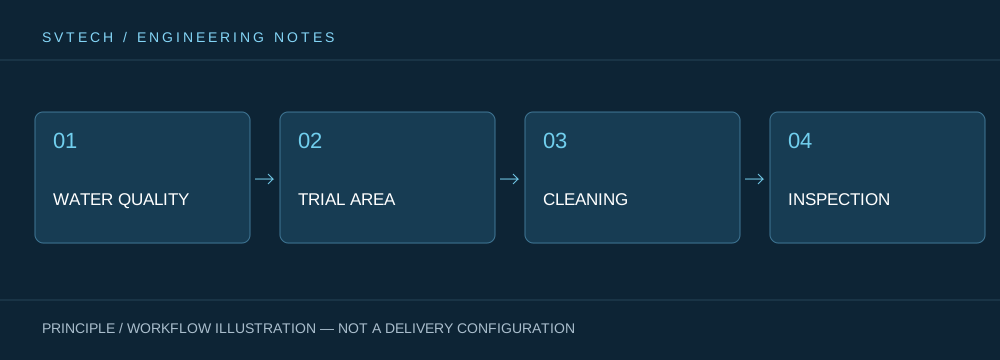
Technical Principles and Engineering Boundaries
Drone cleaning puts flight, water supply, spraying and surface-material maintenance into one process. When discussing "Solar plant cleaning calendars are turning into dynamic work plans," the changes in water flow between the pump station, piping, nozzles and the surface being cleaned, together with the posture, wind conditions and path coverage of the flight platform, jointly determine the result. For PV modules and building facades, cleaning effectiveness should not be judged only by appearance right after spraying, but also by the surface condition after drying, material requirements and reviewable quality records.
Application Scenarios and Implementation Paths
PV cleaning drones are best discussed together with plant zoning, soiling trends, water supply conditions and O&M windows; facade cleaning drones, meanwhile, require an understanding of building form, drainage, surrounding access and property coordination. Automated equipment can change how work at height is organized, but it cannot replace on-site process judgment. Verifying paths, spraying and acceptance methods in a representative area first, then expanding to a larger area, often helps form a stable intelligent cleaning solution.
Project Validation and Continuous Optimization
To ground this technical discussion about "Solar plant cleaning calendars are turning into dynamic work plans" in real projects, the validation stage should record the configuration version, environmental conditions, measurement locations and task results together. Record soiling, weather and trial-cleaning results, and set a review cycle; use zone data to determine priorities; do not promote one project's fixed frequency as the best answer for all sites. This information is not supplementary documentation, but the shared basis for explaining results, reproducing performance and continuous optimization.
Related Support from SVTECH
SVTECH provides product information, project requirement communication and configuration boundary checks for drone cleaning and related industry applications. For topics such as "Solar plant cleaning calendars are turning into dynamic work plans," you can describe the task conditions, target outcomes, on-site environment and existing equipment together, and Mr. Liu (+86 18688194199, lhc1983@gmail.com) will assist with coordination; specific models, performance and delivery scope are subject to confirmed documentation and project validation.
Cleaning plans can be adjusted on a rolling basis in line with season, nearby construction, rainfall and historical soiling rates. Each task records the date, soiling condition and cost, building a basis for the next decision. A fixed cycle facilitates budgeting, but it should not prevent advancing or postponing according to actual conditions; equipment capability also cannot replace plant O&M judgment.
Smarter cleaning does not mean higher frequency, but better timing. Letting historical records continuously inform decisions can gradually turn experience into a reusable method.
