
The filter protects lines and nozzles, and also bears the burden of variations in the water source. Once the filter's condition changes, flow and pressure may shift accordingly, ultimately affecting the consistency of the airborne spray.
Maintenance cadence should follow actual load
Filter load varies with the water source and contamination; differential pressure, flow and filter media condition usually reflect clogging trends better than day counts. Insufficient maintenance alters nozzle operating conditions, and improper maintenance can also introduce contamination.
Impurity profiles differ among water sources, so fixed day counts may not reflect the filter's true condition. Differential pressure, flow trends and visual inspection can help determine maintenance timing; the specific method must still follow the equipment instructions. Recording performance before and after replacement can also help reveal other water supply issues.
The same filter element has very different service life in clean water versus high-particulate water. If spraying weakens, check the filtration and lines rather than first raising pump output.
Technical principles and engineering boundaries
Drone cleaning places flight, water supply, spraying and surface material maintenance within a single process. When discussing "Small Components in the Water Supply System: How Filtration Affects Cleaning Consistency", changes in water flow among the pump station, lines, nozzles and the surface being cleaned combine with platform attitude, wind conditions and path coverage to determine the outcome. For PV modules and building facades, cleaning effectiveness should not be judged only by appearance right after spraying, but also by the surface state after drying, material requirements and reviewable quality records.
Application scenarios and implementation paths
PV cleaning drones are best discussed together with plant zoning, contamination trends, water supply conditions and O&M windows; facade cleaning drones require an understanding of building form, drainage, surrounding access and property coordination. Automated equipment can change how work at height is organized, but it cannot replace on-site process judgment. Validating paths, spraying and acceptance methods in a representative area before expanding to a larger area often helps form a stable intelligent cleaning solution.
Project validation and continuous optimization
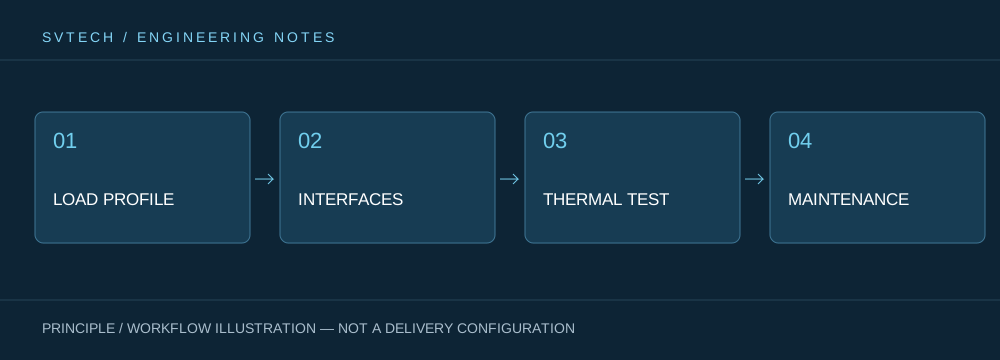
To ground this technical discussion on "Small Components in the Water Supply System: How Filtration Affects Cleaning Consistency" in real projects, the validation phase should record configuration versions, environmental conditions, measurement locations and task results together. Record differential pressure and flow as required by the equipment and define replacement conditions; retain filter media specifications; check sealing and flushing procedures after maintenance. Do not temporarily substitute mismatched filter elements. This information is not supplementary documentation but a shared basis for interpreting results, reproducing performance and continuous optimization.
Related support from SV Tech
Zhuhai SV Tech Co. Ltd. provides product documentation, project requirement discussions and configuration boundary checks for drone cleaning and related industry applications. For topics such as "Small Components in the Water Supply System: How Filtration Affects Cleaning Consistency", task conditions, target outcomes, site environment and existing equipment can be described together, with Mr. Liu (+86 18688194199, lhc1983@gmail.com) assisting with coordination; specific models, performance and delivery scope are subject to confirmed documentation and project validation.
Pre- and post-filter condition, flow changes and water source contamination can be recorded, with inspection and replacement determined according to equipment requirements. Continuing to raise pump power after obvious clogging may mask the problem. Filter element specifications and installation orientation should also be traceable; after replacement, confirm sealing and flow recovery, avoiding mechanical execution by calendar alone.
Stable cleaning often depends on ground-level details. Linking filter maintenance to water source conditions can reduce spray fluctuation and unnecessary downtime.
