
Higher power output on a given day after cleaning may be due to a cleaner surface, or to better sunlight or different temperatures. To understand the value of the work, comparison conditions should be kept as close as possible and the full operating context retained.
Only comparable data can explain gains
Irradiance, temperature, equipment operation and shading all affect power output, so simply subtracting one day before cleaning from one day after is usually not enough to prove a cleaning gain. Comparable data and suitable controls should be used wherever possible.
Representative control areas and appropriate weather correction help reduce the bias of simple before-and-after comparisons. Equipment faults, shading and operating limits must also enter the analysis. Where sufficient evidence is lacking, describing an observed change is more accurate than directly claiming a fixed gain. Cleaning equipment itself cannot guarantee that every plant will achieve the same result.
If cleaning happens to coincide with sunny weather, the higher output may come mainly from the weather. It can be analyzed together with similar uncleaned areas, irradiance records and equipment status, while retaining the uncertainty.
Technical principles and engineering boundaries
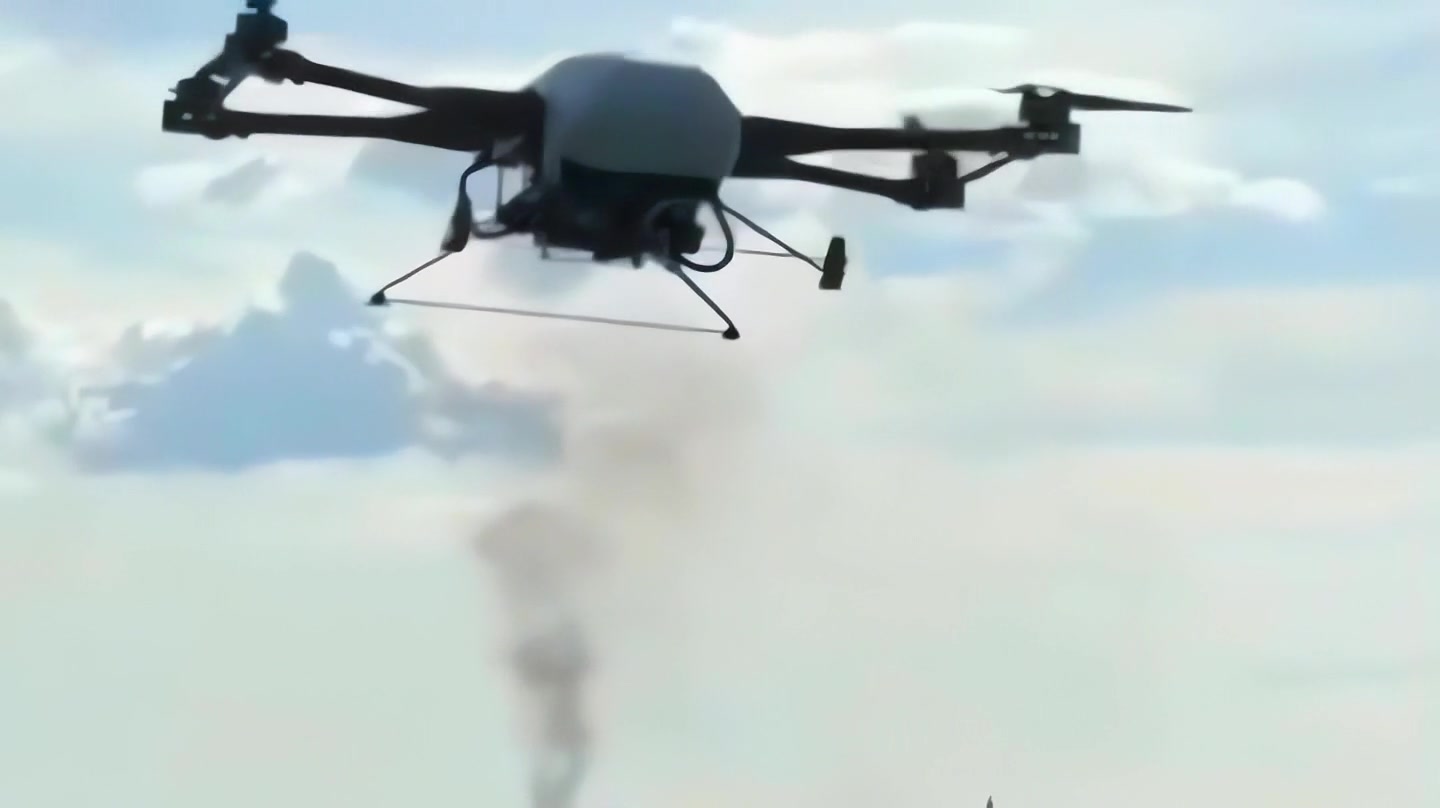
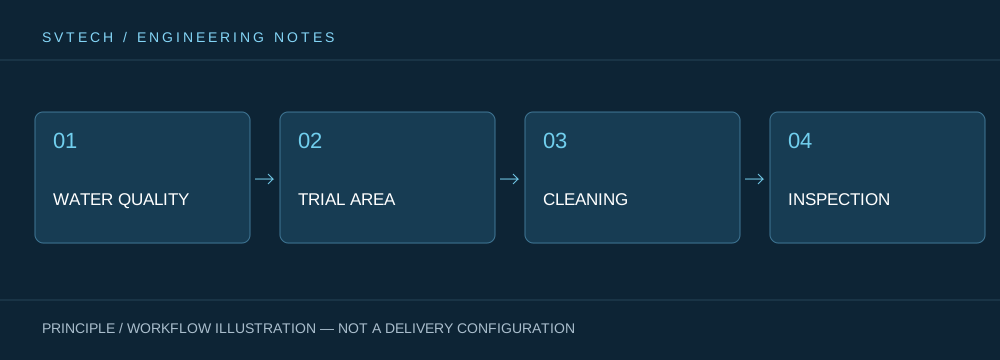
Drone cleaning combines flight, water supply, spraying and surface-material care in a single process. When discussing "Post-cleaning power output changes: separating weather effects from real improvement", the behavior of the water flow between the pump station, hoses, nozzles and the cleaned surface, together with the flight platform's attitude, wind conditions and path coverage, jointly determine the result. For PV modules and building facades, cleaning effectiveness should not be judged only by the appearance while the surface is still wet; the surface state after drying, material requirements and reviewable quality records should also be considered.
Application scenarios and implementation paths
PV cleaning drones are best discussed alongside plant zoning, soiling trends, water supply conditions and O&M windows; facade cleaning drones also require an understanding of building form, drainage, surrounding access and property coordination. Automated equipment can change how work at height is organized, but it cannot replace on-site process judgment. Validating paths, spraying and acceptance methods in a representative area before scaling to a larger area often helps form a stable intelligent cleaning solution.
Project validation and continuous optimization
To ground this technical discussion of "Post-cleaning power output changes: separating weather effects from real improvement" in real projects, the validation phase should record the configuration version, environmental conditions, measurement locations and task results together. The O&M team determines the comparison method and time window; cleaned and control areas are recorded; and disturbances such as downtime are checked. Reports should distinguish observed changes from cleaning effects that can be attributed. This information is not supplementary documentation but the shared basis for interpreting results, reproducing performance and continuously optimizing.
Related support from SV Tech
Zhuhai SV Tech Co. Ltd. (SVTECH) provides product documentation, project requirement discussions and configuration boundary checks for drone cleaning and related industry applications. For topics such as "Post-cleaning power output changes: separating weather effects from real improvement", task conditions, target outcomes, site environment and existing equipment can be described together, with Mr. Liu (+86 18688194199, lhc1983@gmail.com) assisting with coordination; specific models, performance and delivery scope are subject to confirmed documentation and project validation.
Analysis should correct as far as possible for irradiance, temperature, equipment availability and other concurrent maintenance effects, and use an explainable control method. If only the energy figures for the day before and the day after cleaning are available, the difference between the two days cannot be attributed entirely to cleaning. Where measurement conditions are insufficient, reporting should be limited to surface quality and implementation records.
Credible gains come from clear methods. Only by explaining each influencing factor item by item can the value of a cleaning project withstand long-term review.
