
Soiling at large PV plants is rarely uniform. Road dust, terrain, and nearby activities create variations, and the limited operating window may not allow full coverage in a single pass. The cleaning sequence can therefore become an O&M decision.
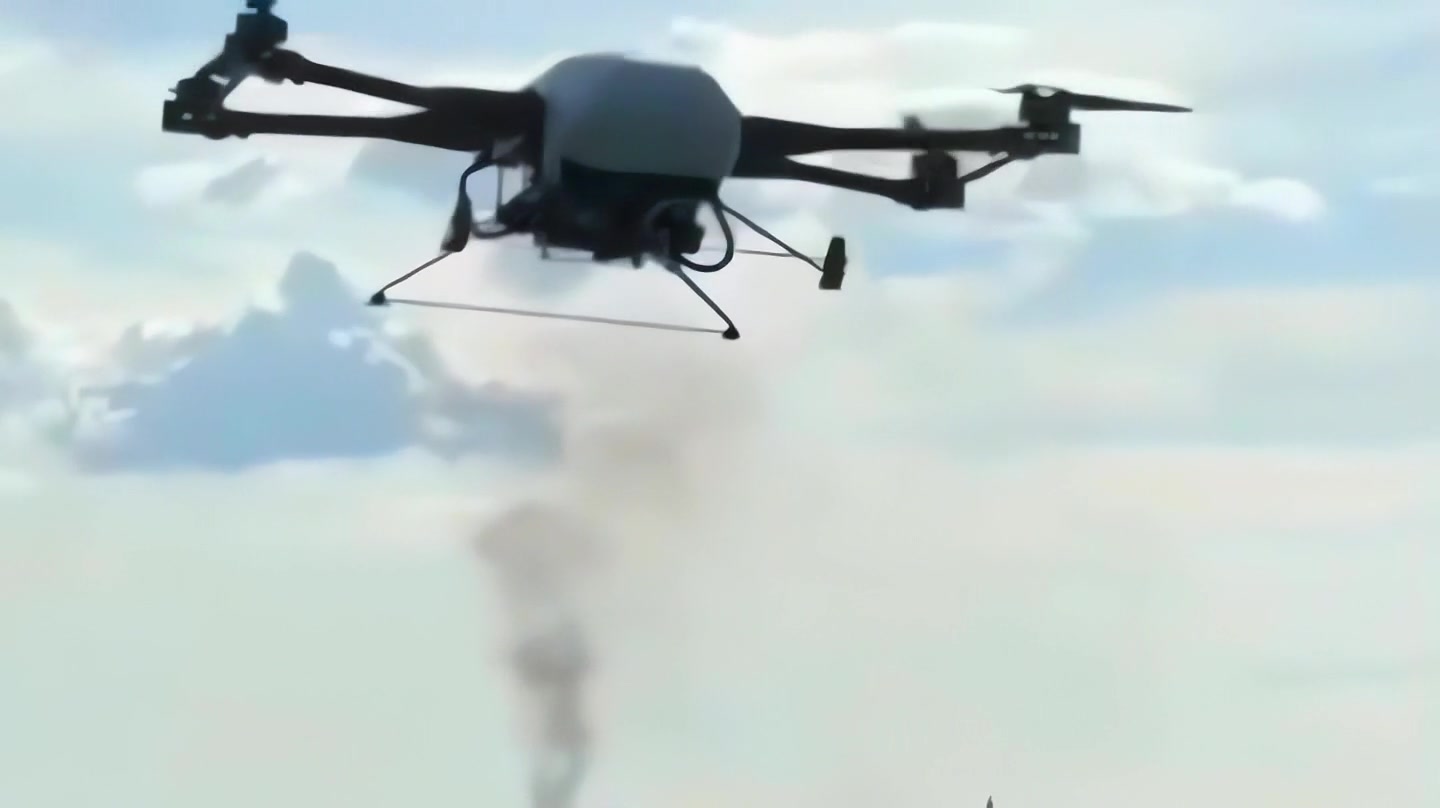
Prioritization must balance losses and implementation conditions.
Zonal priorities can combine soiling severity, recoverable losses, accessibility, and operational scheduling. Spreading cleaning evenly may not be most effective, but focusing only on the dirtiest areas may overlook downtime or water supply constraints.
Noticeably soiled areas warrant attention, but equipment status, expected yield, and site accessibility should also be considered. Grouping adjacent areas with similar conditions can reduce travel costs. Zonal records make the results of each operation easier to track and help adjust strategy later.
Areas near roads may accumulate dust faster, while another area may have shading or equipment anomalies. Distinguish the causes first, then assess the value of cleaning, to avoid assigning maintenance issues to cleaning.
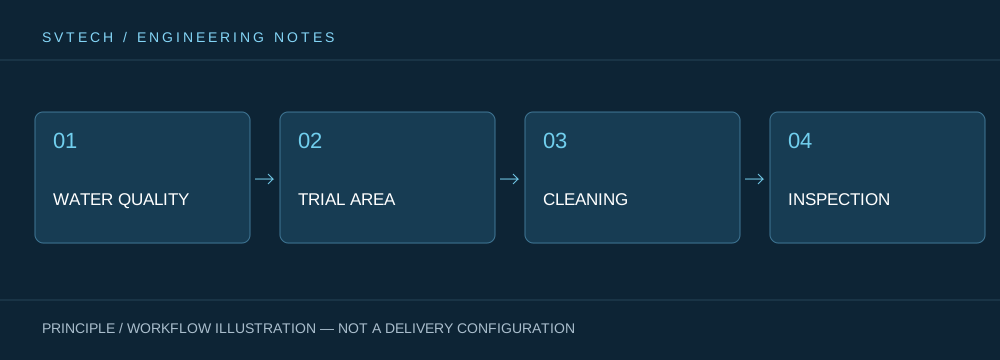
Technical principles and engineering boundaries
Drone cleaning integrates flight, water supply, spraying, and surface material maintenance into a single process. When discussing 'Cleaning Sequence for a Power Plant: Improving Resource Utilization Through Zoned Management', the changes in water flow between the pump station, piping, nozzles, and the surface being cleaned, together with the flight platform's attitude, wind conditions, and path coverage, jointly determine the outcome. For PV modules and building facades, cleaning effectiveness should not be judged solely by the appearance immediately after spraying; it should also consider the surface condition after drying, material requirements, and verifiable quality records.
Application scenarios and implementation pathways
PV cleaning drones are suitable for discussion alongside plant zoning, soiling trends, water supply conditions, and O&M windows; facade cleaning drones require understanding of building morphology, drainage, surrounding traffic, and property coordination. Automated equipment can change the organization of work at height, but it cannot replace on-site process judgment. Verifying paths, spraying, and acceptance methods in representative areas before expanding to larger areas often helps form a stable intelligent cleaning solution.
Project verification and continuous optimization
To ground this technical discussion on 'Cleaning Sequence for a Power Plant: Improving Resource Utilization Through Zoned Management' in real projects, the verification phase should record configuration versions, environmental conditions, measurement locations, and task results together. Establish a zonal ledger, use representative trial cleaning data; confirm time windows with the O&M team; and track post-drying results. Priorities are a dynamic plan, not a fixed ranking. This information is not supplementary documentation but a shared basis for interpreting results, reproducing performance, and continuous optimization.
Related support from SV Tech
SV Tech (SVTECH) provides product information, project requirement communication, and configuration boundary verification for drone cleaning and related industry applications. For topics such as 'Cleaning Sequence for a Power Plant: Improving Resource Utilization Through Zoned Management', task conditions, target outcomes, site environment, and existing equipment can be described together, with Mr. Liu (+86 18688194199, lhc1983@gmail.com) assisting with coordination; specific models, performance, and delivery scope are subject to confirmed documentation and project verification.
Priorities can integrate soiling severity, potential impact, accessibility, and maintenance scheduling. It is not enough to select only the areas easiest to photograph for before-and-after comparisons. The owner and cleaning contractor should first confirm zone numbers and processing sequence, then record results zone by zone after execution to determine which areas need process adjustments or re-inspection.
Effective resource allocation begins with recognizing differences. Involving plant zones in the cleaning plan can make drone operations more targeted.
