
Thin layers of dust and localized soiling such as bird droppings differ in how they adhere and how difficult they are to remove. Applying the same intensity across an entire area may waste resources while failing to improve the spots that genuinely need treatment.
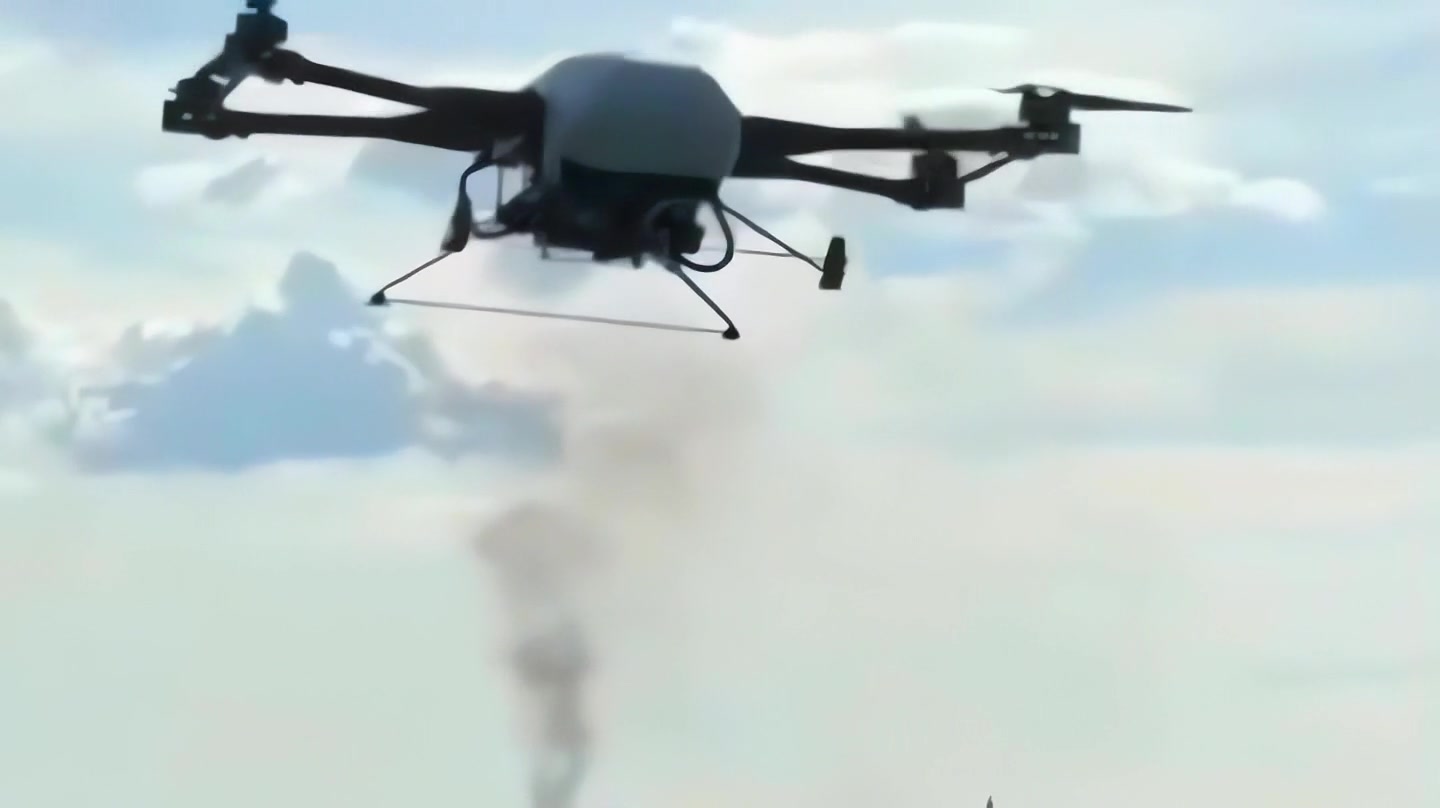
Zoned processes are more effective than simply increasing intensity
Adhered contaminants and loose dust are removed by different mechanisms; applying direct pressure may damage surfaces or seals without necessarily removing the deposit fully. Localized shading also needs to be considered together with module fault inspection, so that appearance alone is not the only thing addressed.
Understanding the nature of the soiling and the methods permitted for the modules before defining a localized treatment process helps reduce repeated spraying. A localized test wash can reveal how the deposit changes and how the materials respond. Areas that cannot be treated by standard methods should be logged separately and assigned an appropriate approach, rather than letting equipment capability replace process judgment.
Appropriate soaking or stepwise treatment may be used in accordance with procedures approved by the module manufacturer, followed by re-inspection after drying. Scraping tools and chemicals that are not approved should not enter the work process.
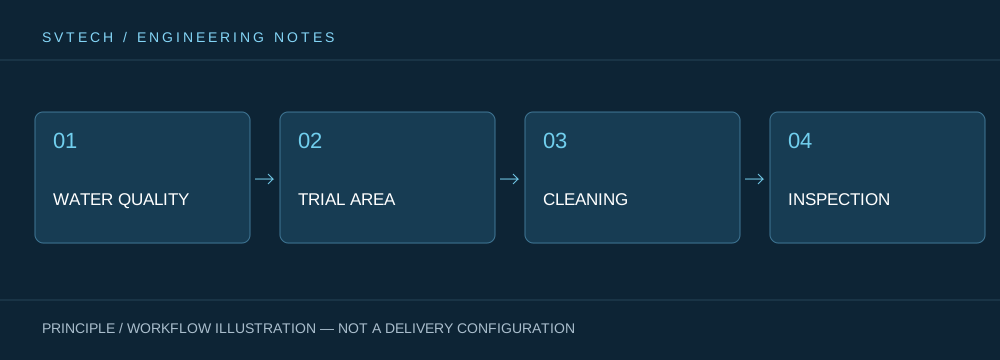
Technical principles and engineering boundaries
Drone cleaning brings flight, water supply, spraying and surface material care into a single process. When discussing "The Different Logic of Localized Soiling: How PV Cleaning Handles Stubborn Contaminants", the behavior of the water flow between the pump station, hoses, nozzles and the surface being cleaned combines with the flight platform's attitude, wind conditions and path coverage to determine the outcome. For PV modules and building facades, cleaning effectiveness should not be judged only by appearance immediately after spraying, but also by the surface state after drying, material requirements and reviewable quality records.
Application scenarios and implementation paths
PV cleaning drones are best discussed together with plant zoning, soiling trends, water supply conditions and O&M windows; facade cleaning drones require an understanding of building geometry, drainage, surrounding access and property coordination as well. Automated equipment can change how work at height is organized, but it cannot replace on-site process judgment. Validating paths, spraying and acceptance methods in a representative area before scaling to a larger area often helps build a stable intelligent cleaning solution.
Project validation and continuous optimization
To ground this technical discussion of "The Different Logic of Localized Soiling: How PV Cleaning Handles Stubborn Contaminants" in real projects, the validation stage should record configuration version, environmental conditions, measurement locations and task results together. Record the location of the soiling, the treatment method and the result; suspected damage should be referred for professional inspection. The range of cleaning that a drone is suited for should be clearly defined, and it cannot be guaranteed to remove all stubborn stains in a single pass. This information is not supplementary documentation but the shared basis for interpreting results, reproducing performance and continuously optimizing.
Related support from SV Tech
Zhuhai SV Tech Co. Ltd. (SVTECH) provides product documentation, project requirement discussions and configuration boundary checks for drone cleaning and related industry applications. For topics such as "The Different Logic of Localized Soiling: How PV Cleaning Handles Stubborn Contaminants", task conditions, target outcomes, site environment and existing equipment can be described together, with Mr. Liu (+86 18688194199, lhc1983@gmail.com) assisting with coordination; specific models, performance and delivery scope are subject to confirmed documentation and project validation.
For localized soiling, a compatibility test may first be carried out using a method approved by the material supplier to see whether staged treatment or another process is needed. Simply raising pressure may damage seals or coatings without necessarily removing the deposit. Acceptance sampling should include such difficult areas, not only the ordinary dust surfaces that are easy to wash clean.
Refined cleaning is about differences. Giving different types of soiling the treatment they require improves quality and brings greater order to large-area operations.
