Design and application value
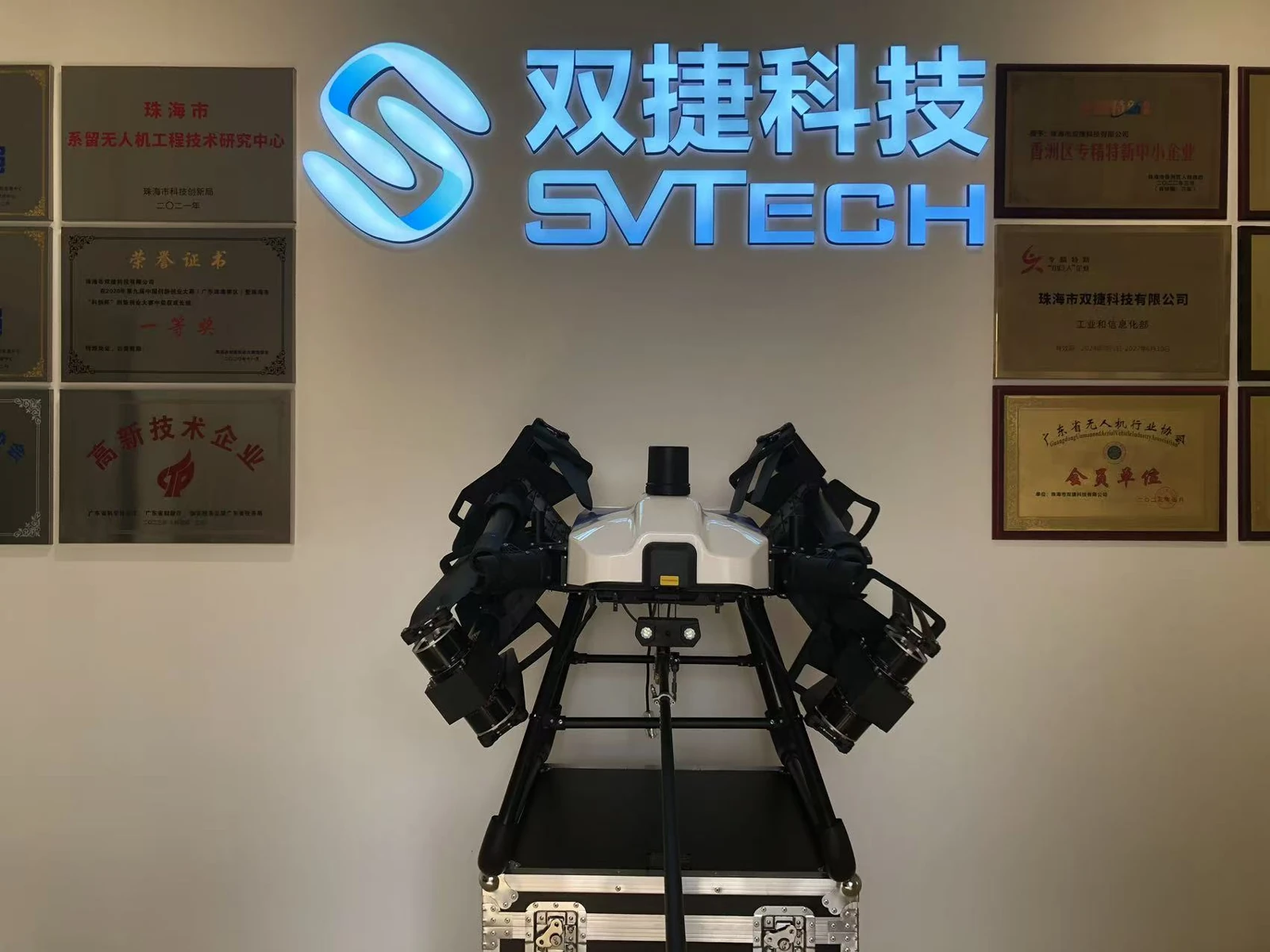
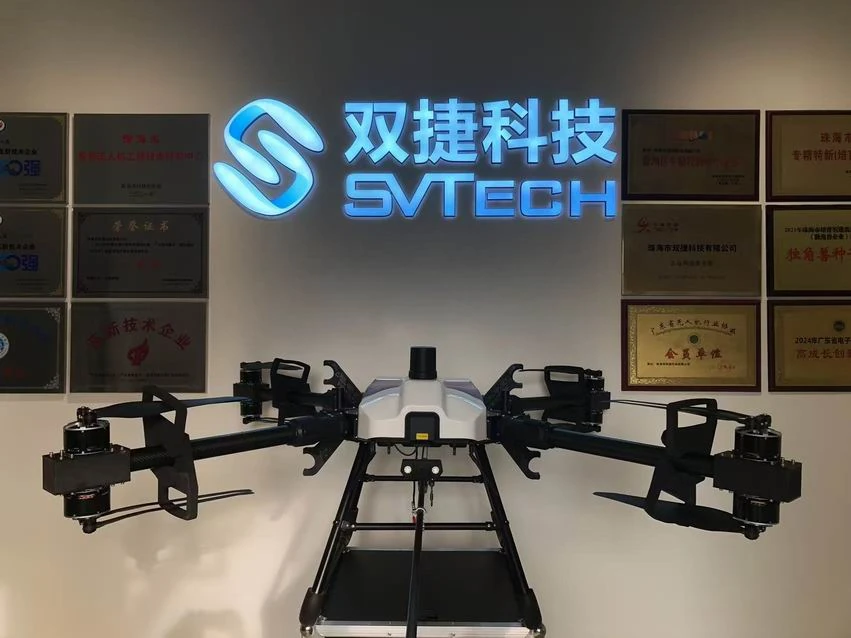
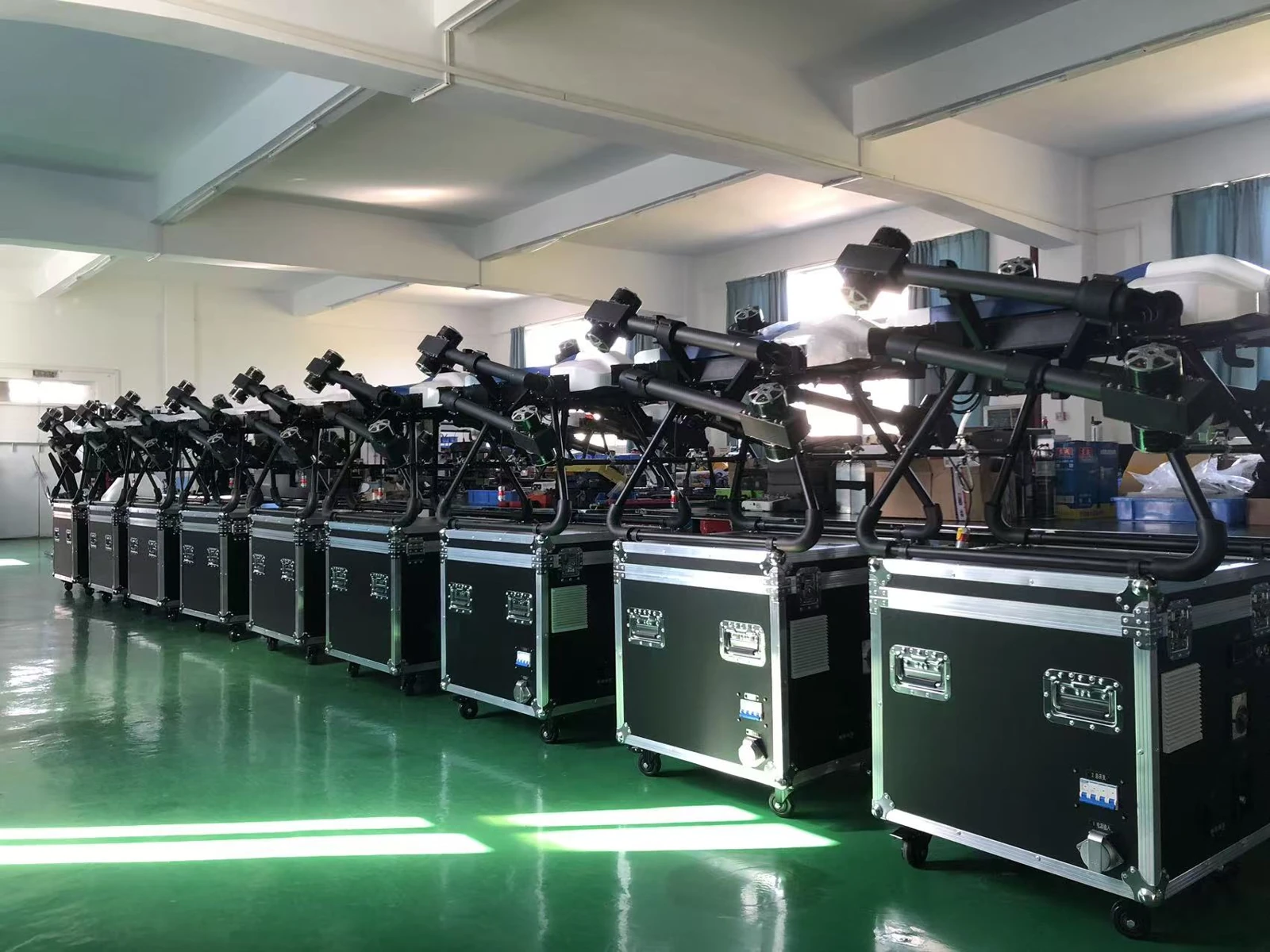
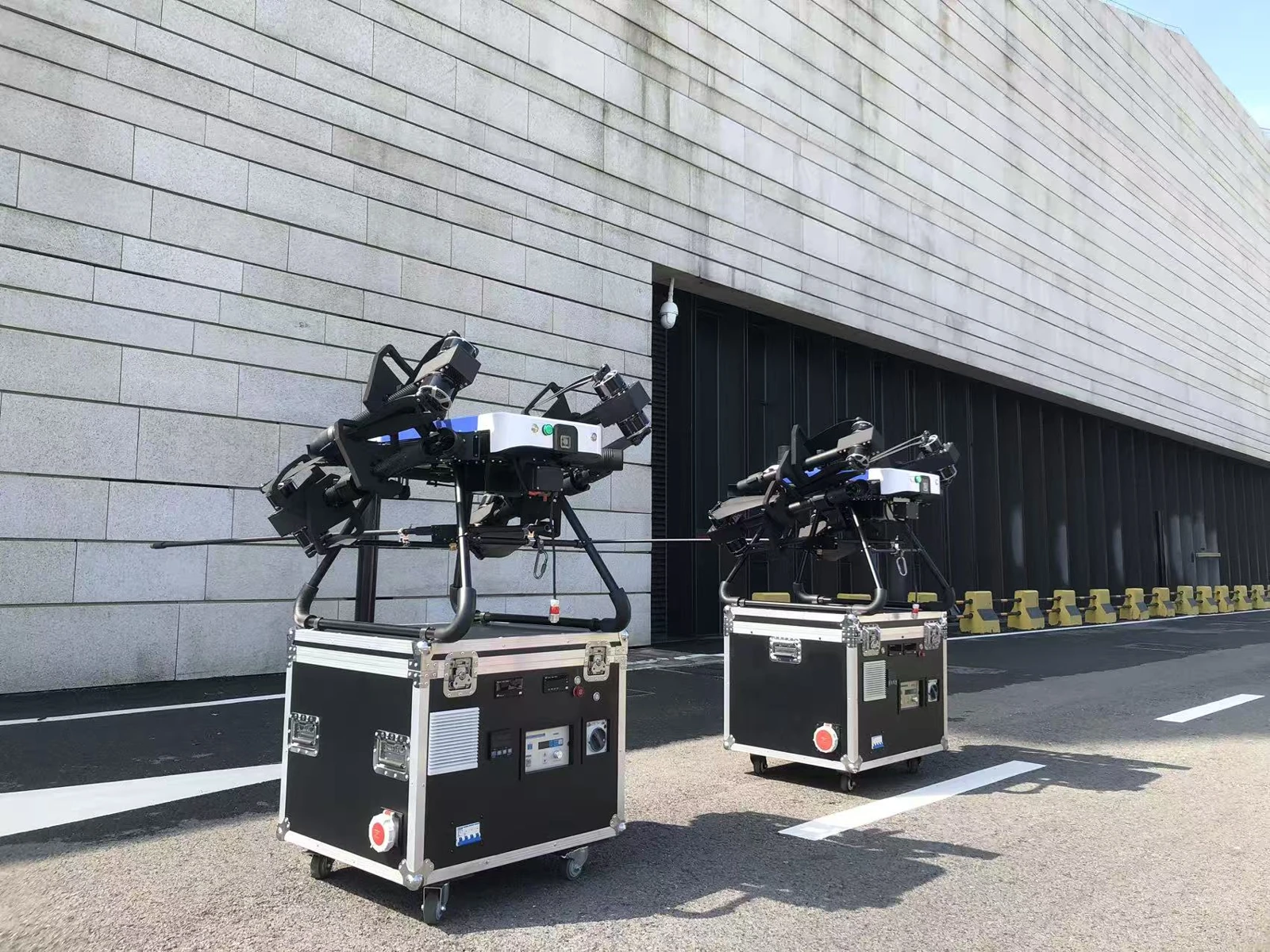
A tethered system keeps its main power equipment on the ground and supplies the aircraft through a cable. It can support assessment of sustained lighting, observation and communications over a fixed area. The ground station, airborne power unit, backup supply, tether and reel must be matched as one system.
Choosing the right configuration
Confirm payload mass and power, station-keeping time, target height and site supply. Then assess tether mass, voltage drop and wind loading. Cable length is not usable vertical height: angle, sag, ground routing and obstacles consume length. Ground-station ratings from different versions are not interchangeable.
Installation and integration
Before deployment, inspect connector locks, cable insulation, strain relief, cooling and protective grounding. Make connections with power isolated. Follow the fitted controller’s instructions for startup, voltage and backup power. Controlled commissioning should verify reel operation and responses to communication or primary-power loss.
Operation and maintenance
Monitor voltage, current, payout and reel behavior during operation; keep the tether clear of people and obstacles. Afterwards inspect wear, bends, connectors and abnormal heating. Return-to-home or landing behavior must suit the tethered operating envelope and be validated on the fitted system, rather than copied from free flight.