
Displaying remaining charge does not answer whether the aircraft can return safely. Distance, wind conditions, payload, and flight profile all change the energy required for the return trip. Energy management in industrial missions must tie the current state to the actions still to be completed, rather than relying on a fixed percentage alone.
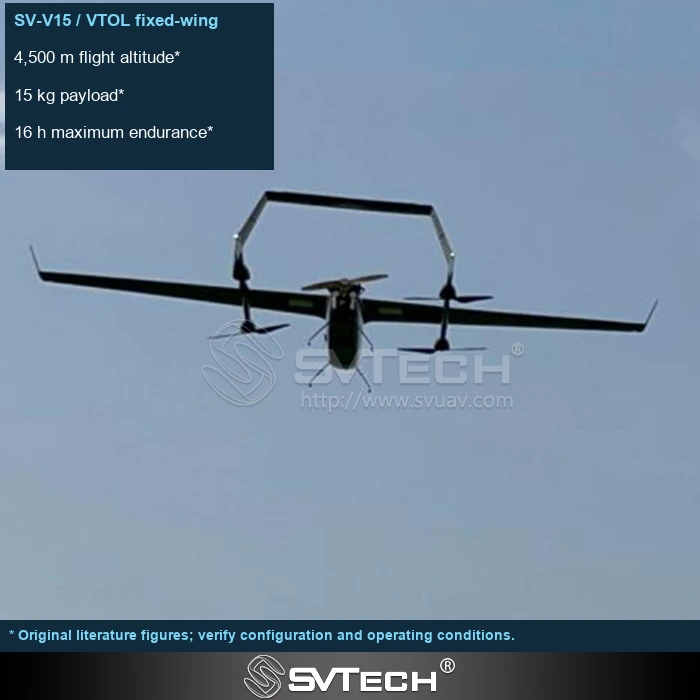
The return leg is a mission that must be budgeted
A percentage display is shaped by how the battery is estimated, while the true return requirement also depends on distance, wind, payload, and available landing points. A single threshold cannot cover every site; operating plans should be developed according to platform requirements.
Returning into a headwind, climbing to avoid obstacles, and temporary holding can all increase consumption. Planning should incorporate these factors into the mission profile and gradually refine estimates with actual data. Battery condition also affects usable energy, so a single test result should not be applied permanently to the same route. Clear reserve logic helps operators make sound adjustments earlier.
The return leg into the wind costs different energy than the outbound leg with the wind, so a remaining charge that appears sufficient may still be insufficient to retrace the original path. Holding and obstacle avoidance also consume energy.
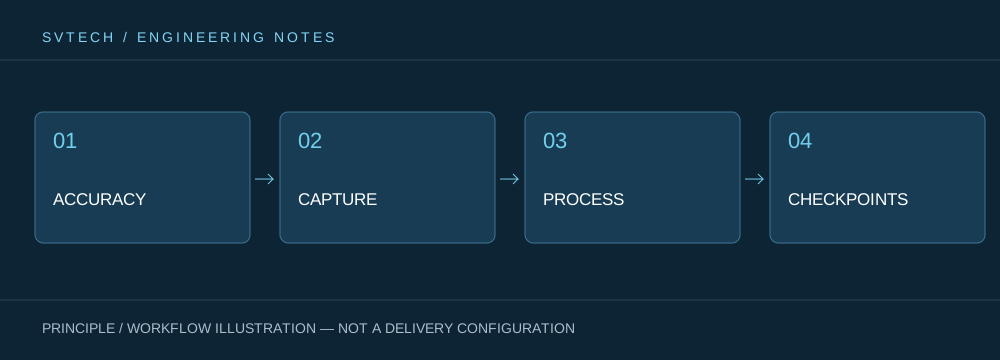
Technical principles and engineering boundaries
The capability of an industrial UAV is formed jointly by the flight platform, propulsion, sensing payload, communications, and data workflow. The phenomena discussed in "From Remaining Battery to Return Capability: UAV Mission Energy Management" often arise where these elements meet: a platform that flies steadily does not guarantee deliverable data, and an algorithm that can identify targets does not mean the mission can operate without human supervision. Only by placing performance back into the full mission chain can one distinguish among a demonstration, repeatable validation, and long-term operation.
Application scenarios and implementation paths
UAV inspection, 3D modeling, emergency response, and asset management are all driving the low-altitude economy into industrial settings. Different applications require different flight paths, data quality, on-site coordination, and compliance preparation. If the target objects, deliverable formats, operating frequency, site constraints, and exception handling are clarified early in a project, industrial UAV applications can more easily select suitable platforms and payloads and establish a sustainable data collection process.
Project validation and continuous optimization
To ground this technical discussion of "From Remaining Battery to Return Capability: UAV Mission Energy Management" in real projects, the validation phase should record configuration versions, environmental conditions, measurement locations, and mission results together. Have a qualified operating team plan conservative reserves and alternate landing areas; review against actual mission data; and comply with equipment and local rules rather than compressing reserves based on improvised experience. This information is not supplementary documentation but the shared basis for interpreting results, reproducing performance, and continuously optimizing.
Related support from SV Tech
Zhuhai SV Tech Co. Ltd. (SVTECH) provides product documentation, project requirement discussions, and configuration boundary checks for industrial UAVs and related industry applications. For topics such as "From Remaining Battery to Return Capability: UAV Mission Energy Management", describe the mission conditions, target deliverables, site environment, and existing equipment together, and Mr. Liu (+86 18688194199, lhc1983@gmail.com) can assist with coordination; specific models, performance, and delivery scope are subject to confirmed documentation and project validation.
Return distance, wind conditions, alternate landing locations, and battery condition all affect the required reserve. A fixed percentage can serve as one indicator in the process, but it cannot replace a mission energy assessment. Platform settings and operating rules should be established on the basis of validated requirements, and protection and return thresholds must not be lowered at the site merely to extend a mission.
An effective reserve is not wasted performance but room left for mission changes. Linking the battery display to the actions that can still be completed makes a plan more explainable.
