
When a drone can integrate different sensors more easily, its range of applications expands accordingly. But an open interface is more than just a connector: the electrical, data, mounting and control relationships all need to be clearly defined. The value of standardization lies in reducing repeated integration work and making innovative payloads easier to validate and use.
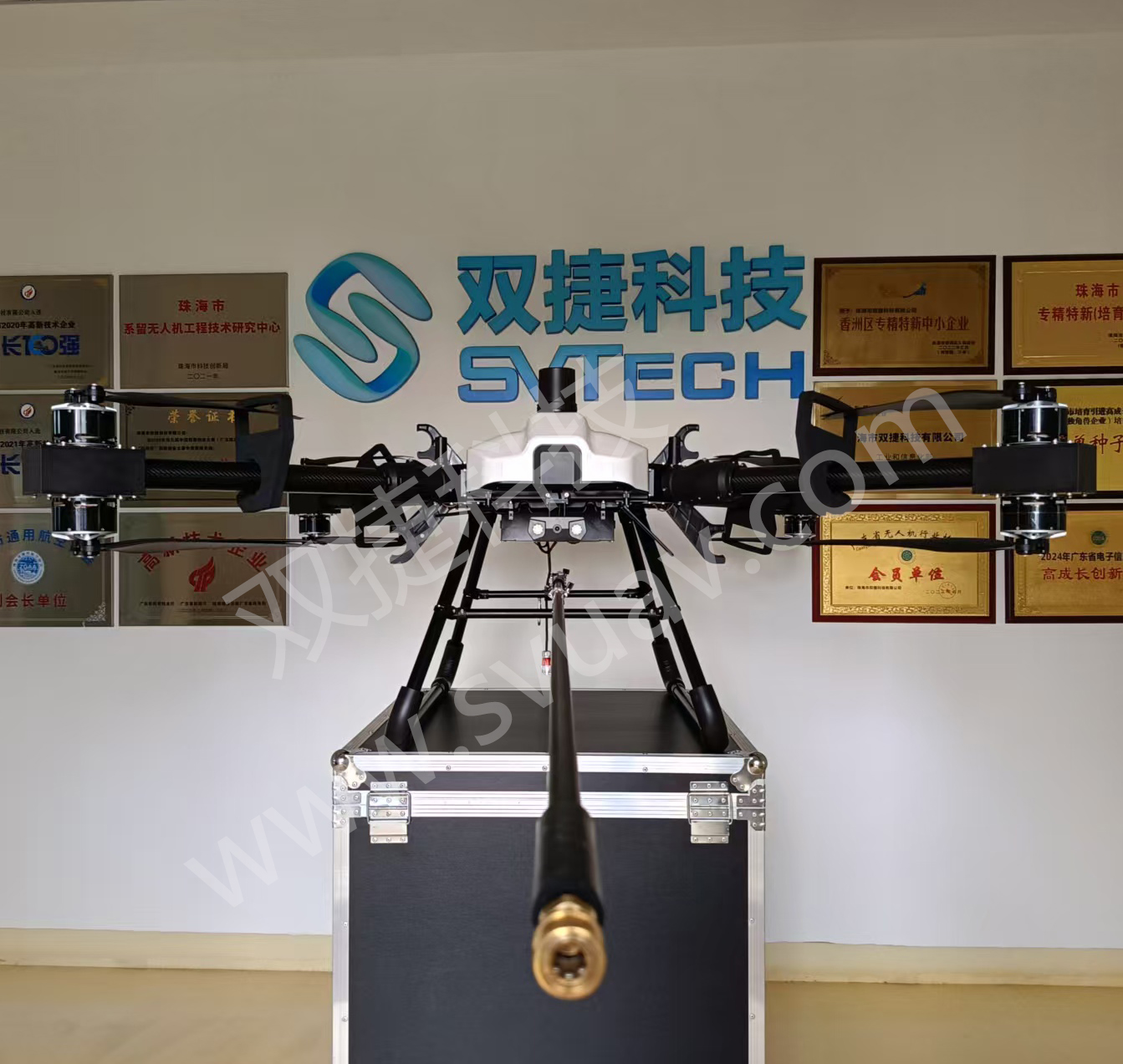
Only clear interfaces truly lower the development barrier
Peak power consumption, ripple, startup sequence, protection, connectors and grounding must also be verified. Matching voltage values are only a starting point; interface signals and data protocols may also be incompatible.
Even with the same voltage, differences in power peaks, grounding and communication may still exist, and the data protocol must specify version and exception handling. A clear interface document allows the platform and payload teams to develop in parallel and to identify mismatches before connection. For new capabilities such as edge computing, heat dissipation and continuous power consumption are also part of the interface requirements.
Payload startup may pull down a shared power supply and affect other devices; some data interfaces have identical connectors but different pin definitions, so direct connection carries a risk of damage.
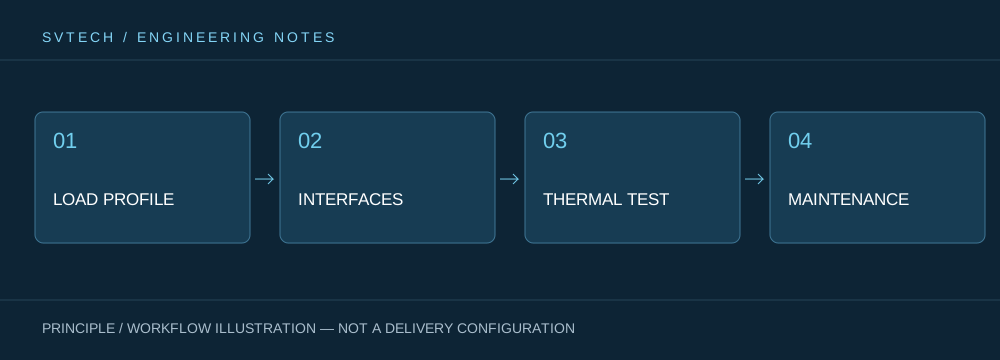
Technical principles and engineering boundaries
The capabilities of an industrial UAV are formed jointly by the flight platform, propulsion, perception payloads, communications and data workflows. The phenomena discussed in "The Foundation of Open Payload Platforms: How UAV Interface Standardization Drives Innovation" often occur at the interfaces between these elements: a platform that flies stably does not guarantee that data will be deliverable; an algorithm that can recognize targets does not mean the task can proceed without human supervision. Only by placing performance back into the full mission chain can one distinguish between a demonstration, repeatable validation and long-term operation.
Application scenarios and implementation paths
UAV inspection, 3D modeling, emergency response and asset management are all driving the low-altitude economy into industrial settings. Different applications require different flight paths, data quality, on-site coordination and compliance preparation. If the target objects, output formats, operating frequency, site constraints and exception handling can be clearly defined early in a project, industrial UAV applications become easier to match with suitable platforms and payloads and to establish a sustainable data collection process.
Project validation and continuous optimization
To ground this technical discussion of "The Foundation of Open Payload Platforms: How UAV Interface Standardization Drives Innovation" in real projects, the validation phase should record the configuration version, environmental conditions, measurement locations and mission results together. Obtain the interface documents for the platform and payload and check them item by item; validate in a controlled integration process; record the harness, firmware and configuration versions. Do not judge compatibility by trial insertion. This information is not supplementary documentation but the common basis for interpreting results, reproducing performance and continuously optimizing.
Related support from Zhuhai SV Tech Co. Ltd.
Zhuhai SV Tech Co. Ltd. (SVTECH) provides product documentation, project requirement discussions and configuration boundary checks for industrial UAVs and related industry applications. For topics such as "The Foundation of Open Payload Platforms: How UAV Interface Standardization Drives Innovation", you can describe the mission conditions, target outputs, site environment and existing equipment together, and Mr. Liu (+86 18688194199, lhc1983@gmail.com) will assist with coordination; specific models, performance and delivery scope are subject to confirmed documentation and project validation.
Beyond matching voltage, also confirm polarity, peak current, ripple, grounding, connectors and startup sequence. Communication interfaces also require protocol and time synchronization specifications. Validate under controlled conditions first, then install according to the integration process; do not connect third-party devices directly just because the connectors appear to match.
The value of an open platform comes from a predictable integration experience. Defining hardware connections and software behavior together gives application innovation a more solid foundation.
