
Industrial UAV payloads are increasingly diverse. In addition to sensors, they may include gimbals, compute units, communication equipment and independent power supplies. Together they accomplish the mission, but together they also consume mass, space and energy. Payload design therefore needs to shift from a device list to the integration of a complete subsystem.
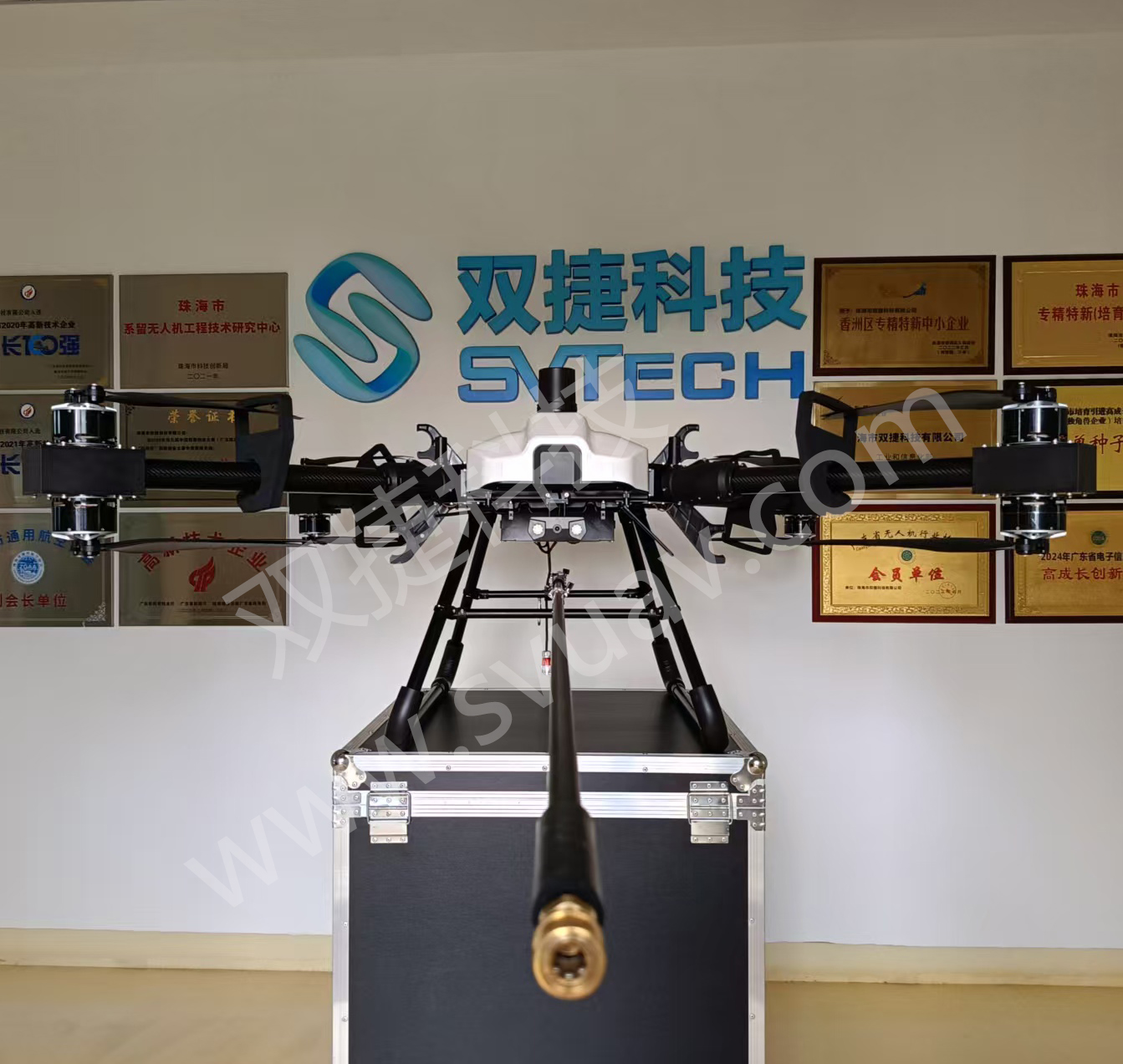
See the additional parts beyond the core equipment
The payload definition may differ by manufacturer and configuration; whether brackets, wiring harnesses, gimbals and independent power supplies are counted must be clarified. Citing only the weight of the core equipment will underestimate the true installed mass.
Mounting brackets, protective covers, wiring harnesses and vibration-damping structures are often underestimated early on, but they affect the final weight and center of gravity. Payload operation also requires data interfaces and heat dissipation paths; it is not enough to confirm that it "can be mounted." Incorporating these factors into the layout in advance can reduce the weight growth caused by continuously adding parts later, and also makes platform capability assessments more accurate.
After adding vibration damping, a protective cover and interface equipment to a sensor, the weight may increase noticeably. Beyond total mass, the center of gravity position and inertia also affect applicability.
Technical Principles and Engineering Boundaries
The capabilities of industrial UAVs are jointly formed by the flight platform, power, perception payload, communication and data workflows. The phenomena covered by "From camera to compute unit: UAV payloads are becoming complete subsystems" often occur at the interfaces between these links: a platform flying stably does not mean the data can necessarily be delivered; an algorithm being able to identify a target does not mean the mission can operate without human supervision. Putting performance back into the complete mission chain is what allows distinguishing between a demonstration, repeatable verification and long-term operations.
Application Scenarios and Implementation Paths
Drone inspection, 3D modeling, emergency response and asset management are all driving the low-altitude economy into industrial settings. Different applications require different flight paths, data quality, on-site coordination and compliance preparation. If the target object, deliverable format, operating frequency, site constraints and exception handling can be clearly defined early in a project, industrial drone applications can more easily select suitable platforms and payloads and establish a sustainable data collection workflow.
Project Validation and Continuous Optimization
To make this technical discussion on "From camera to compute unit: UAV payloads are becoming complete subsystems" applicable to real projects, the verification phase should record the configuration version, environmental conditions, measurement positions and mission results simultaneously. Establish a complete installation list, marking the mass and position of each item; check the payload definition in the platform documentation; finally weigh the aircraft and confirm the configuration. Do not treat a marketing payload figure as an arbitrary allowance for additional equipment. This information is not supplementary documentation, but the shared basis for interpreting results, reproducing performance and continuous optimization.
Related Support from SVTECH
SVTECH provides product information, project requirement communication and configuration boundary checks for industrial UAVs and related industry applications. For topics such as "From camera to compute unit: UAV payloads are becoming complete subsystems," you may describe the mission conditions, target results, site environment and existing equipment together, and Mr. Liu (+86 18688194199, lhc1983@gmail.com) will assist with the connection; specific models, performance and delivery scope are subject to confirmed documentation and project verification.
The mass list should include sensors, brackets, vibration damping, wiring harnesses, communication equipment and independent power sources, and should verify whether they are counted within platform limits. Weighing in the final installed state is more informative. Aligning the payload definition between customer and supplier can avoid discovering only at delivery that accessories have consumed the mission capability originally reserved.
A complete payload definition makes innovation easier to implement. By first clarifying the connections and resource requirements between devices, new functions can enter real missions reliably.
