
Two batteries with comparable capacity may still perform differently when installed on the same platform. Weight, internal resistance, temperature, and allowable discharge conditions jointly influence mission capability. When selecting a battery, it is necessary to understand both how much energy is stored and how that energy is released, so as to avoid judging endurance solely by the capacity figure.
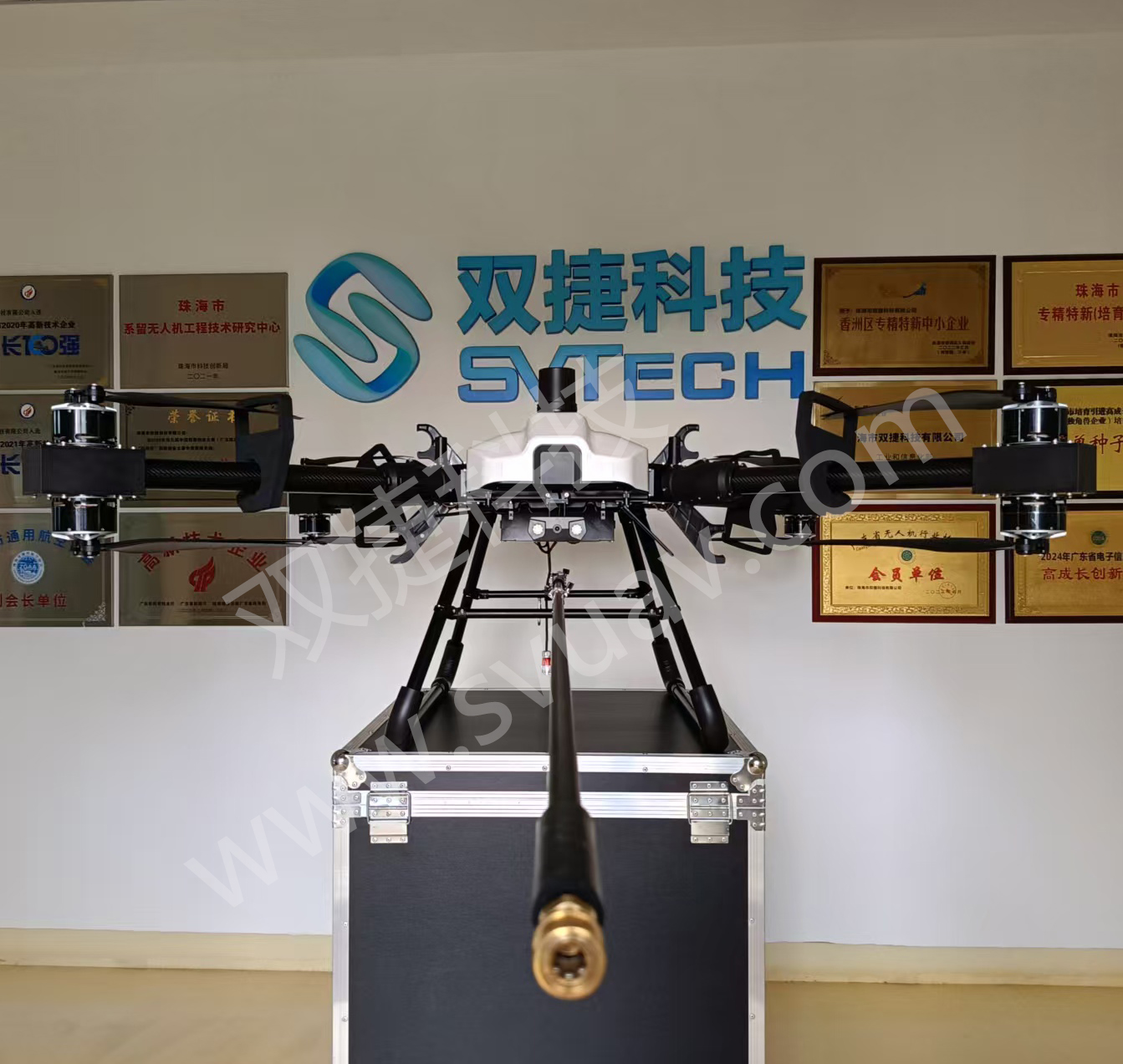
Usable Energy Depends on Actual Load
Usable energy is affected by the discharge curve, temperature, aging, and load; the nominal ampere-hour rating must be considered together with voltage. Batteries with similar energy may also differ in peak current capability and protection strategy.
Under high load, voltage drop may cause the system to reach its operating boundary earlier, and added capacity increases propulsion burden. Battery aging and environmental changes further affect the outcome. For real missions, voltage, current, and temperature should be recorded to observe which energy can be effectively used under permitted conditions, rather than merely calculating nominal capacity.
A battery that performs well in a light-load mission may show greater voltage drop when transferred to a high-load platform. Suitability for replacement cannot be judged by capacity and form factor alone.
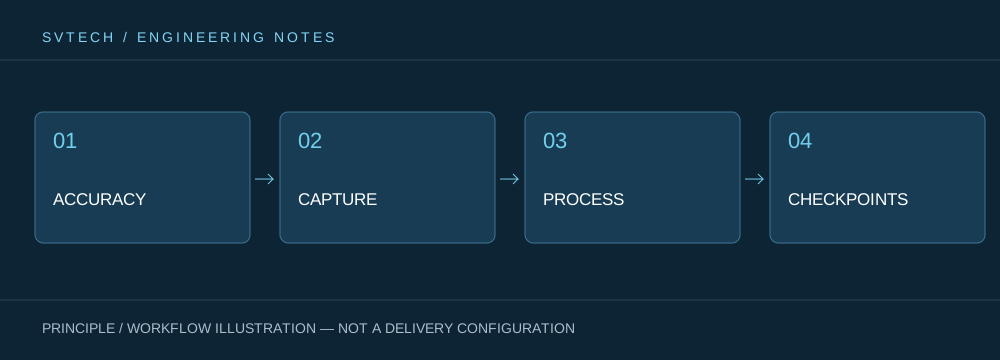
Technical Principles and Engineering Boundaries
The capability of an industrial drone is jointly constituted by the flight platform, propulsion, perception payload, communications, and data workflow. The phenomena discussed in “Beyond Battery Capacity: Coordinated Selection of Drone Endurance and Discharge Capability” often occur at the interfaces of these elements: a platform that flies stably does not necessarily mean the data is deliverable; an algorithm that can recognize targets does not mean the mission can proceed without human supervision. Only by placing performance back into the complete mission chain can one distinguish the differences among a demonstration, repeatable validation, and long-term operations.
Application Scenarios and Implementation Pathways
Drone inspection, 3D modeling, emergency response, and asset management are all driving the low-altitude economy into industrial sites. Different applications require different flight paths, data quality, on-site collaboration, and compliance preparation. If the target objects, deliverable formats, operating frequency, site constraints, and exception handling can be clearly defined early in the project, it becomes easier to select suitable platforms and payloads for industrial drone applications and to establish a sustainable data collection process.
Project Validation and Continuous Optimization
To ground this technical discussion on “Beyond Battery Capacity: Coordinated Selection of Drone Endurance and Discharge Capability” in real projects, the validation phase should record configuration versions, environmental conditions, measurement locations, and mission results together. Use platform-approved battery configurations and verify complete specifications and status; record mission energy and alerts; maintenance and replacement should follow the manufacturer's requirements, and discharge limits should not be raised without authorization. This information is not supplementary documentation but the common basis for interpreting results, reproducing performance, and continuous optimization.
Related Support from SV Tech
SV Tech (SVTECH) provides product documentation, project requirement communication, and configuration boundary verification for industrial drones and related industry applications. For topics such as “Beyond Battery Capacity: Coordinated Selection of Drone Endurance and Discharge Capability,” mission conditions, target deliverables, site environment, and existing equipment can be described together, and Mr. Liu (+86 18688194199, lhc1983@gmail.com) will assist with coordination; specific models, performance, and delivery scope are subject to confirmed documentation and project validation.
Capacity usually needs to be understood in conjunction with voltage, discharge conditions, and usable energy; different rating conventions cannot be directly compared. Mission results are also affected by load and protection strategy. When requesting a quote, ask for the energy configuration and validation conditions for the corresponding platform to avoid automatically converting a larger milliampere-hour figure into longer usable flight time.
Battery and propulsion system jointly determine endurance. Only by comparing discharge performance, mass, and mission requirements together can an energy solution suitable for the platform be selected.
