
Special robots extend people out of high-risk, hard-to-reach or repetitive work positions. Tracks or Wheels: Ground Adaptability of Mobile Robots—understanding its boundaries helps bring new technologies from demonstrations into daily work.
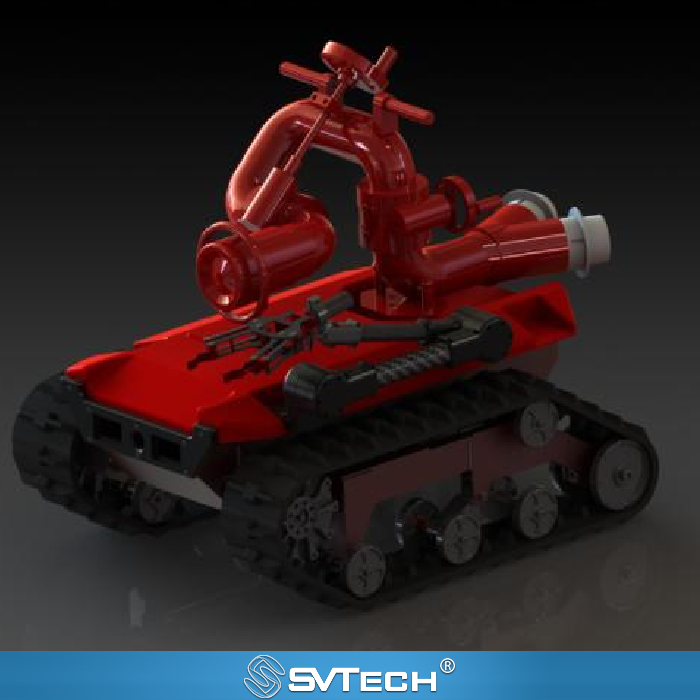
Tracks or Wheels: Ground Adaptability of Mobile Robots
Tracks and wheels each have their own conditions in terms of ground contact, steering, maintenance and ground adaptability, and cannot simply be summed up as "tracks are stronger." Passage width, ground material and turning frequency are equally important.
Truly usable robot capability comes from coordination among mechanics, perception, control and on-site personnel. Its key lies not in a single parameter, but in whether it can maintain consistent performance under different conditions. Provide ground type, obstacles and routes, and compare complete task performance and maintenance; verify permitted working conditions and structure; do not infer unverified obstacle-crossing capability from chassis type.
In-place turning in narrow indoor spaces may place different burdens on the ground and the drivetrain, while soft ground requires attention to sinking and traction. Demonstration sites should be close to actual conditions.
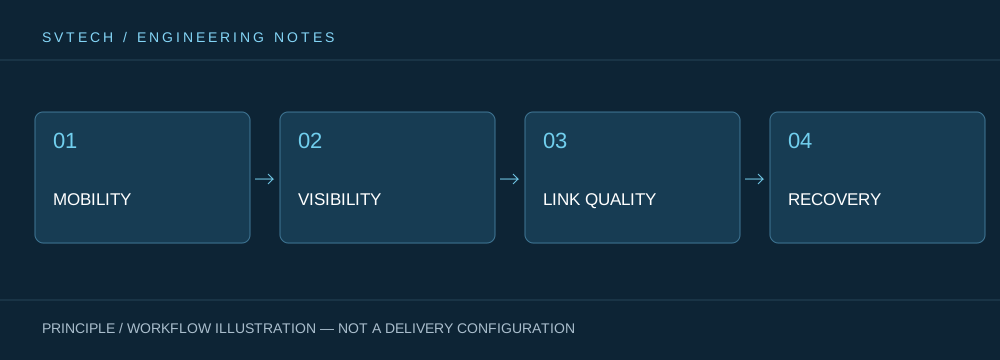
Technical Principles and Engineering Boundaries
Special robots bring the mobile chassis, actuators, sensors, communication and human-machine interface into the same on-site system. "Tracks or Wheels: Ground Adaptability of Mobile Robots" reminds us that product parameters need to be understood in combination with ground conditions, load status, operator position and task duration. Speed, climbing, endurance or ingress protection ratings are not absolute conclusions detached from the environment; only under specified routes, obstacles, temperatures and control methods do a robot's capability boundaries carry engineering significance.
Application Scenarios and Implementation Paths
Firefighting, hazardous environment inspection, industrial inspection and emergency rescue are the most valuable application directions for special robots. Their common goal is to extend personnel perception and operating range, and under suitable conditions reduce the risk of direct approach. Before deployment, the task area, communication conditions, entry and recovery paths, personnel responsibilities and information handover should all be designed together, so that robot intelligence truly serves on-site decision-making rather than merely demonstrating a single action.
Project Validation and Continuous Optimization
To ground this technical discussion on "Tracks or Wheels: Ground Adaptability of Mobile Robots" in real projects, the verification stage should record configuration version, environmental conditions, measurement positions and task results at the same time. Provide ground type, obstacles and routes, and compare complete task performance and maintenance; verify permitted working conditions and structure; do not infer unverified obstacle-crossing capability from chassis type. This information is not supplementary documentation, but the shared basis for interpreting results, reproducing performance and continuous optimization.
Related Support from SVTECH
SVTECH provides product documentation, project requirement communication and configuration boundary verification for special robots and related industry applications. For topics such as "Tracks or Wheels: Ground Adaptability of Mobile Robots," task conditions, target outcomes, on-site environment and existing equipment can be explained together, with Mr. Liu (+86 18688194199, lhc1983@gmail.com) assisting with coordination; specific models, performance and delivery scope are subject to confirmed documentation and project verification.
When comparing two chassis sets, have them complete a round trip on the same representative route under the same task load, and record energy consumption, turning space and ground impact. Looking only at no-load straight-line speed excludes the turns, stops and repositioning that frequently occur on site from the comparison.
Placing local issues within a full understanding of the task gives every step of the project a stronger basis.
