
High-voltage supply reduces bus current for the same power, giving larger drones more room in harness design. But higher voltages also make insulation, mating and unmating, and residual energy management important. Connectors are therefore no longer merely a choice of interface shape, but a component of whether a high-voltage system can be used reliably.
The connection process is also a system operating state
The operating voltage, insulation, creepage distance and misinsertion prevention of high-voltage connectors all belong to the system boundary. Some connectors are only suitable for mating and unmating with power removed and do not have load-breaking capability; identical appearance is not a basis for judging compatibility.
Contact capability at rated operation and the electrical state during mating and unmating are two different issues. Whether live operation is permitted and whether stored energy remains after power-off must both be handled according to the actual system design. Connector layout should also make identification and inspection easy, reducing on-site misinsertion or mechanical stress. The maturity of a high-voltage solution is often reflected in whether these routine operations are clearly defined.
In maintenance procedures, clearly specifying isolation, residual voltage confirmation and connection sequence can avoid mistaking routine part replacement for live quick mating and unmating. Design reviews should also check whether the system can be unexpectedly energized when a plug is not fully seated.
Technical principles and engineering boundaries
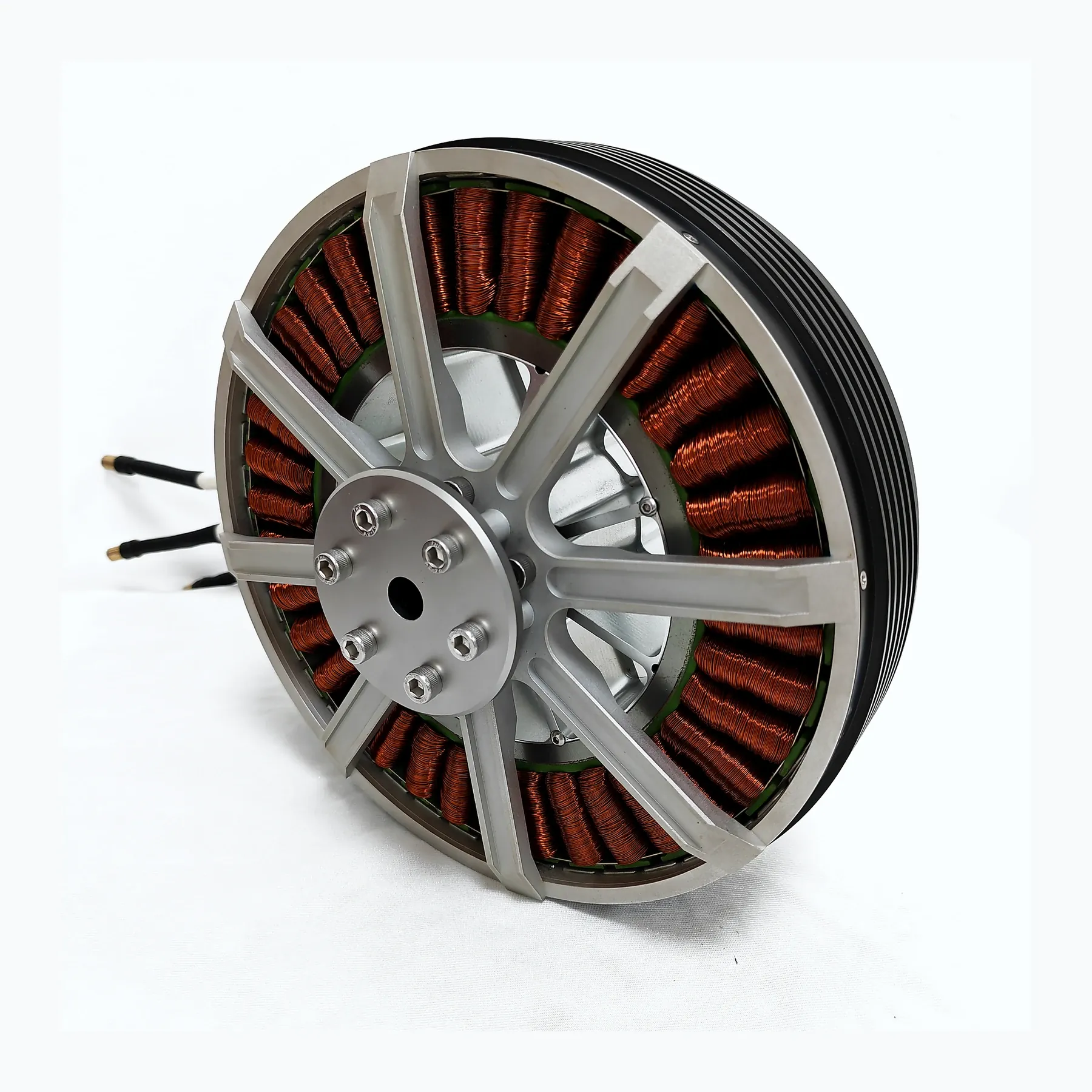
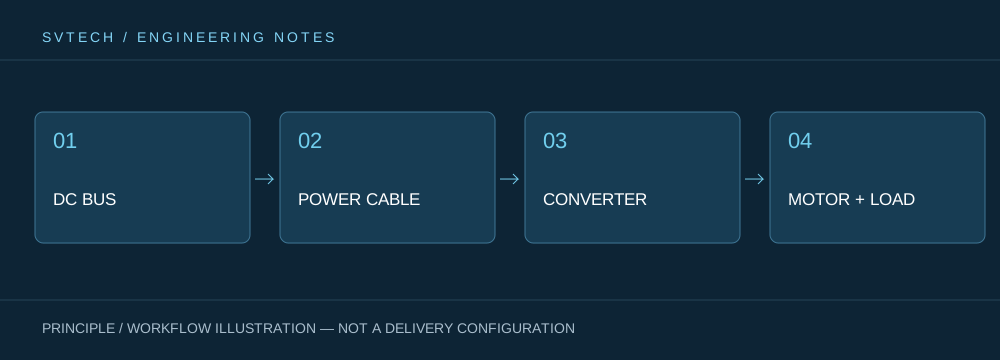
A drone motor is not an isolated actuator. Battery, ESC, windings, propeller and frame together determine how electrical energy is converted into lift and attitude control force. When discussing "High-Voltage Power Moves Toward Practical Use: Why Connectors Become the Critical Component", continuous operating points, short-term peaks, heat dissipation paths and installation loads should be viewed on the same mission curve: no-load speed, maximum current or single-point thrust can each describe only one aspect. For industrial drone propulsion systems, reliably completing inspection, transport or hover missions is usually more important than the extreme figure from a single bench test.
Application scenarios and implementation path
In applications such as surveying, inspection, logistics and tethered platforms, propulsion requirements change with payload, flight phase and ambient temperature. Engineering teams can first define the target thrust, the commonly used cruise or hover range and the allowable temperature rise, then check whether supply voltage, KV, propeller blades and control strategy match. This drone propulsion selection process can also preserve clear technical boundaries for subsequent spare parts, maintenance and upgrades.
Project validation and continuous optimization
To ground this technical discussion on "High-Voltage Power Moves Toward Practical Use: Why Connectors Become the Critical Component" in real projects, the validation phase should record configuration version, environmental conditions, measurement locations and mission results together. Verify the exact part number, applicable voltage and current, and environmental rating; establish an approved power-off maintenance procedure; have qualified personnel verify interlocks and protection rather than testing arc withstand capability by on-site mating and unmating. This information is not supplementary documentation but the common basis for interpreting results, reproducing performance and continuously optimizing.
Related support from SV Tech
Zhuhai SV Tech Co. Ltd. provides product documentation, project requirement communication and configuration boundary verification for drone motors and related industry applications. For topics such as "High-Voltage Power Moves Toward Practical Use: Why Connectors Become the Critical Component", mission operating conditions, target outcomes, on-site environment and existing equipment can be described together, with Mr. Liu (+86 18688194199, lhc1983@gmail.com) assisting with coordination; specific models, performance and delivery scope are subject to confirmed documentation and project validation.
Locking, polarity keying, finger protection and cable strain relief must also be verified. A so-called rated voltage usually does not equal permission for live mating and unmating; whether pre-charge and discharge procedures are provided must be clearly documented. Interface documents should state the operating conditions after complete power-off, and high-voltage checks must be carried out by personnel with the appropriate qualifications.
Reducing current is only one benefit of a high-voltage architecture. Only by combining electrical design with personnel operations and interface maintenance can this benefit be sustained in real deployments.
