
The challenges of a coastal environment often do not all show up in a single flight. Salt, moisture and temperature swings can gradually affect connection interfaces, fasteners and bearing areas. An intact-looking housing does not mean nothing has changed inside or at the interfaces. Coastal inspection and island deployment therefore require environmental adaptability to be discussed at the level of the entire propulsion system.
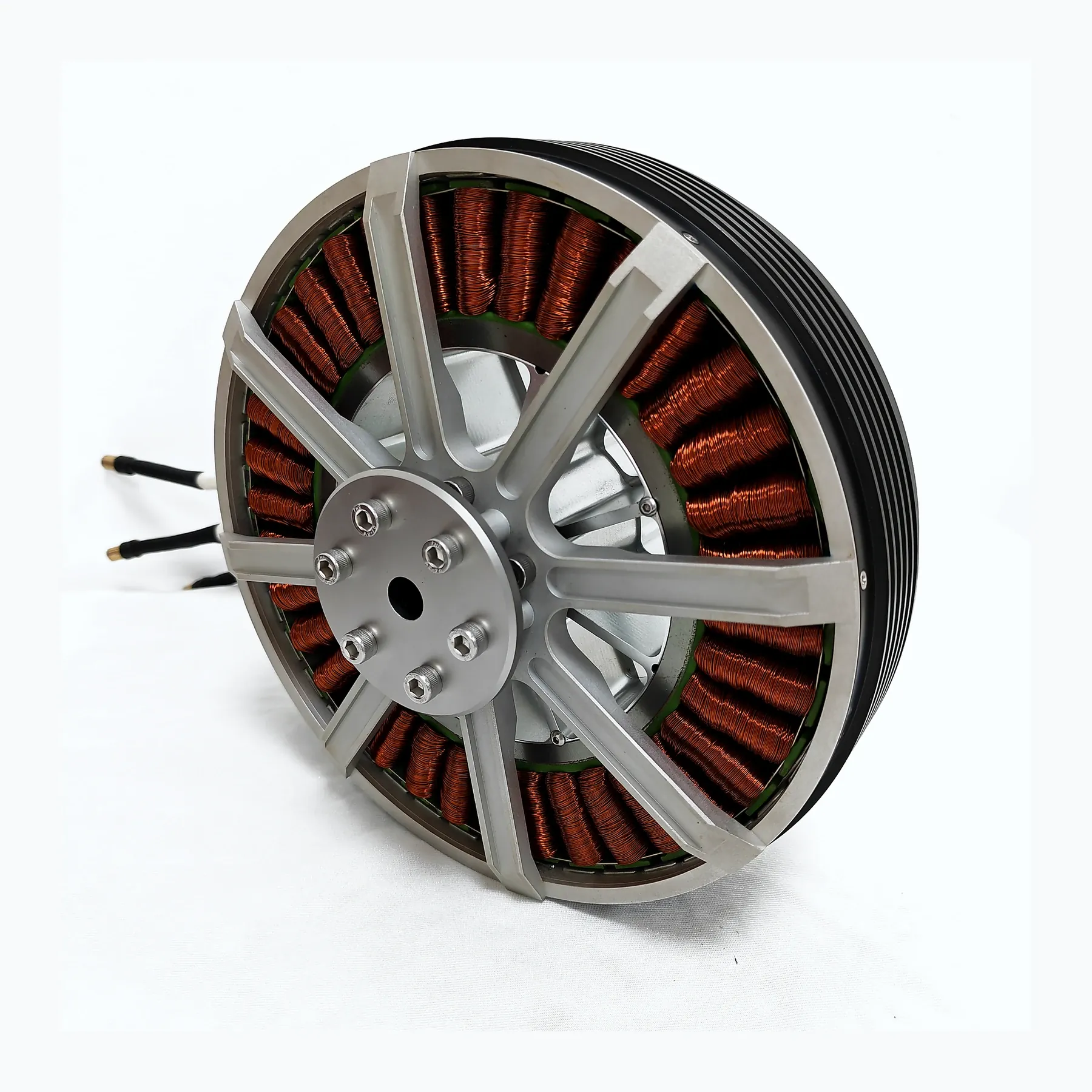
Corrosion tends to start at interfaces and gaps
Salt fog, humidity and condensation affect connectors, fasteners, bearings and exposed metal interfaces. An intact housing coating does not prove that all electrical contacts have the same level of protection. Contact between dissimilar metals can also create corrosion-sensitive spots, and cleaning agents used for maintenance should be checked for material compatibility.
Coatings are only part of the protection. Dissimilar metal contact, locations where water accumulates, and whether moisture can escape after sealing can all affect long-term performance. Cleaning and storage practices also change the conditions under which corrosion develops. When selecting materials and maintenance methods, electrical connections, heat dissipation and inspectability must be balanced so that moisture protection does not create a new thermal problem. This kind of integrated design suits long-term deployment rather than short demonstrations alone.
Equipment operating along the coast during the day and cooling at night can develop condensation. Counting only whether it gets wet in the rain misses this moisture ingress path. Storage methods, transport packaging and post-power-off drying procedures also affect long-term reliability.
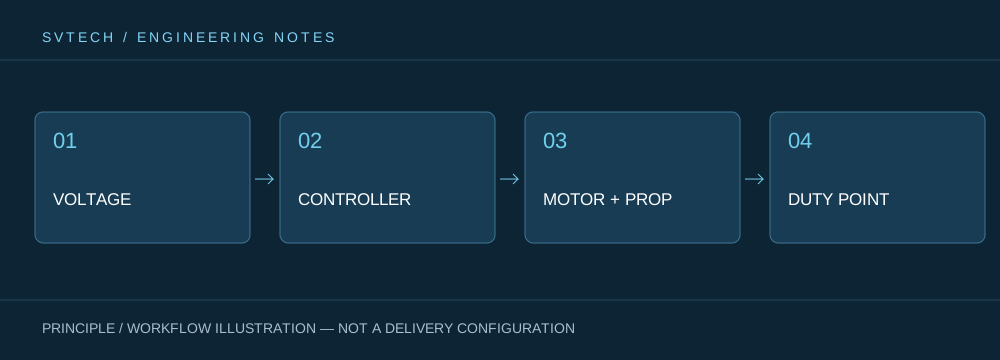
Technical principles and engineering boundaries
A UAV motor is not an isolated actuator. Battery, ESC, windings, propeller and frame together determine how electrical energy is converted into lift and attitude-control force. When discussing "Coastal and Island Operations: A System-Level View of Corrosion Protection for UAV Motors," continuous operating points, short-term peaks, heat-dissipation paths and installation loads should be viewed on the same mission curve: no-load speed, maximum current or single-point thrust each describe only one aspect. For industrial UAV propulsion systems, reliably completing inspection, transport or hover missions is usually more important than an extreme figure from a single bench test.
Application scenarios and implementation path
In applications such as surveying, inspection, logistics and tethered platforms, propulsion requirements change with payload, flight phase and ambient temperature. Engineering teams can first define the target thrust, the usual cruise or hover range and the allowable temperature rise, then check whether supply voltage, KV, propeller and control strategy match. This UAV propulsion selection process also leaves clear technical boundaries for subsequent spare parts, maintenance and upgrades.
Project validation and continuous optimization
To ground this technical discussion of "Coastal and Island Operations: A System-Level View of Corrosion Protection for UAV Motors" in real projects, the validation phase should record the configuration version, environmental conditions, measurement locations and mission results together. Confirm the applicable environment and protection documentation; check cable outlets, connector seals and fastener materials; establish inspection and drying measures. Until documentation permits it, do not wash the motor as a whole and do not claim an unverified salt-fog rating. This information is not supplementary paperwork but the shared basis for interpreting results, reproducing performance and continuously improving.
Related support from SV Tech
Zhuhai SV Tech Co. Ltd. provides product documentation, project requirement discussions and configuration boundary checks for UAV motors and related industry applications. For topics such as "Coastal and Island Operations: A System-Level View of Corrosion Protection for UAV Motors," mission conditions, target outcomes, site environment and existing equipment can be described together, with Mr. Liu (+86 18688194199, lhc1983@gmail.com) assisting with coordination; specific models, performance and delivery scope are subject to confirmed documentation and project validation.
Salt fog, moisture and repeated wet-dry cycles affect different materials and joints differently. Inquiries should specify coastal parking duration, whether splash exposure occurs and cleaning conditions, and request the corresponding corrosion protection scope. An intact exterior coating does not prove that internal bearings or connectors are in good condition; the maintenance schedule should cover these harder-to-observe areas.
Environmental reliability ultimately shows up over repeated use. Keeping inspection and maintenance records after coastal missions helps identify areas that change gradually, so protection improvements are built on actual service experience.
